Why Does My Child Need to Change Clothes the Moment They Get Wet or Dirty?
A drop of water or a small stain, and your child has to change right now. Here is what may be going on, and gentle ways to make wet and messy feel less alarming.

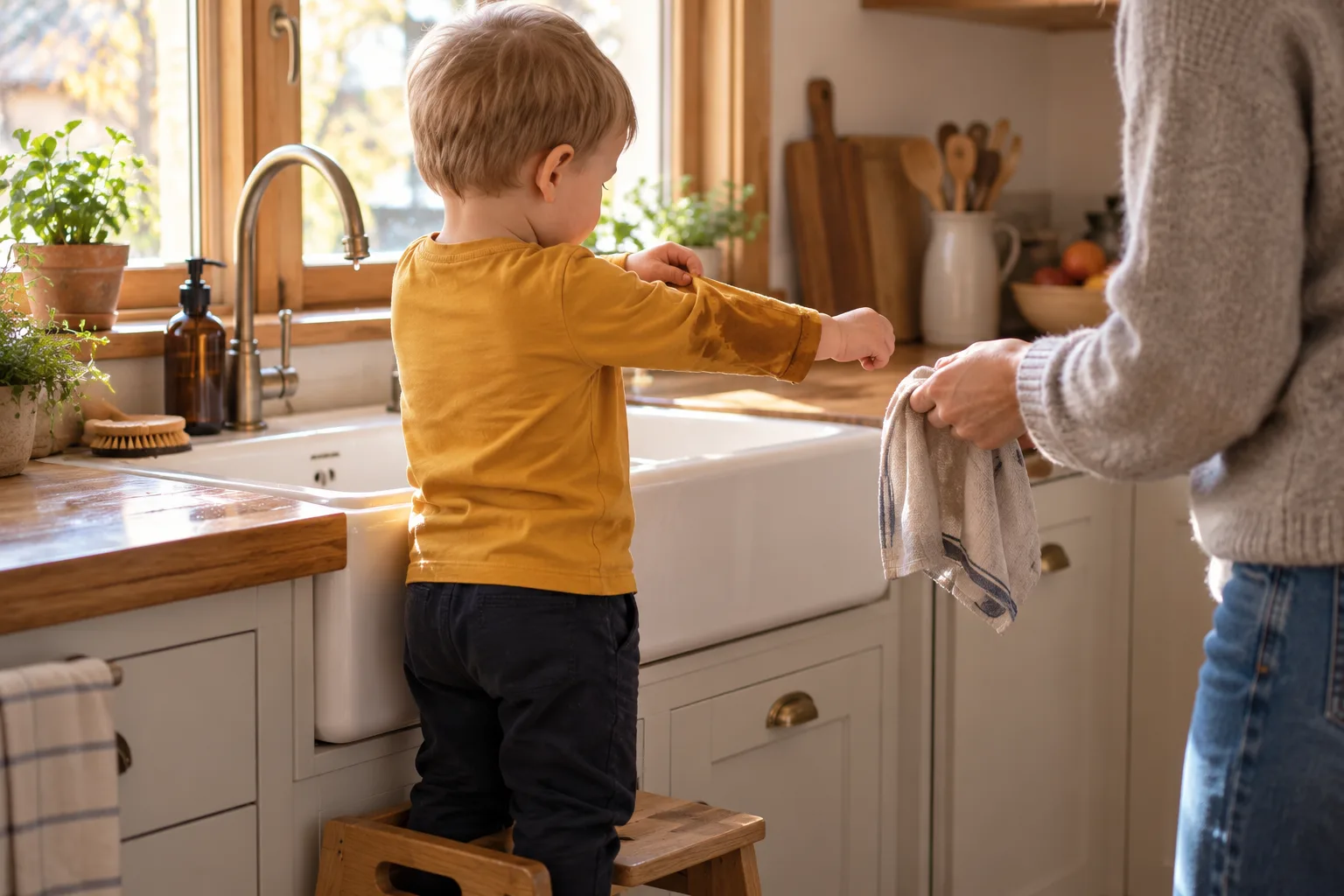
A splash of water at the sink. A dribble of yogurt at breakfast. A damp patch from the grass. And suddenly your child is pulling at their shirt, upset, insisting it has to come off right now. By lunchtime it is the third outfit of the day, and the laundry basket is already full.
If this sounds like your house, you are not imagining it, and your child is not simply being fussy. For some children, wet or dirty clothes really do feel very different from the way they feel to us.
Touch has two jobs
Our sense of touch does two things at once.
It warns us. When something hot, sharp or unexpected touches the skin, we pull away before we have even thought about it. That quick, protective reaction keeps us safe, and we keep it all our lives.
It tells us what things are. It is how we can find a coin in a pocket without looking, or tell soft cotton from scratchy wool. Children build this side of touch slowly, by grabbing, squeezing, mouthing and exploring everything they can reach.
Most of the time the two jobs share the work. In some children, though, the warning side speaks much louder. A cold, damp sleeve does not register as "a bit wet." It feels closer to an insect crawling on the arm, something wrong that needs to be dealt with right away. And because that warning comes with real discomfort, it often brings big feelings with it, too.
Other things that can be going on
Not every child who changes clothes often is reacting to the feeling itself.
- A firm rule in their head. Some children decide that wet or dirty means "must change," and the rule matters more than the sensation. They may even ask to change for a tiny mark they cannot feel.
- Noticing with their eyes. Some children only react once they see the stain. For them, it is less about touch and more about something looking different from how it should.
A few gentle questions can help you see which it is. Does it bother them when the wet patch is on their back, where they cannot see it? Does dabbing it dry help, or does only a full change do? Is it only wet and dirty, or also tags, seams and certain fabrics?
What tends to help
Take the feeling seriously. "That feels yucky on your arm, doesn't it" goes a long way. Being told it is "only a little bit" does not make the feeling go away. It just teaches a child that their body cannot be trusted.
Make everyday life easier.
- Keep a spare top in the bag and a small towel within reach.
- Try a middle step before a full change: dab it dry together, or roll the wet sleeve up and out of the way.
- Use aprons or smocks for meals, painting and messy play.
- Quick-drying fabrics can shorten the "wet" feeling a lot.
Let wet and messy happen on their terms. The aim is not to force it. It is to give your child lots of small, safe experiences where they are in charge.
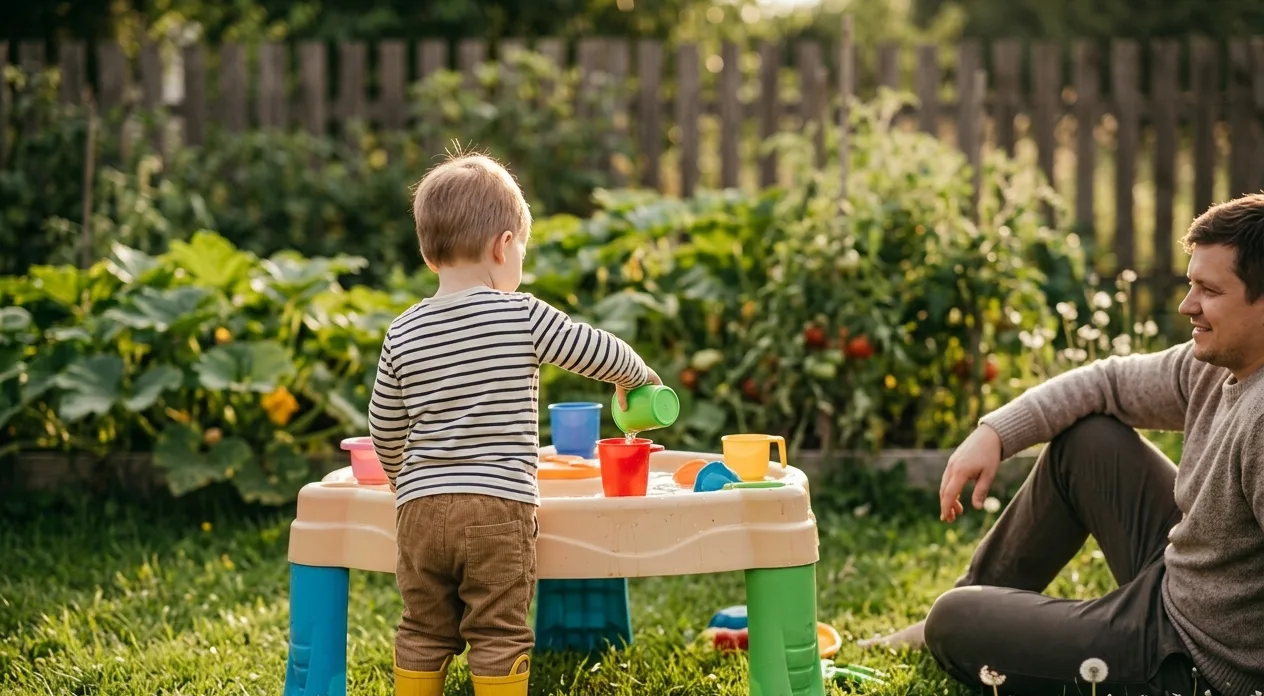
- Water play with cups, jugs and sponges, washing toy cars, watering plants.
- Start with tools: brushes, spoons, spades, sponges. Hands can come later.
- Keep a towel next to them so they can wipe whenever they like. Knowing they can stop makes it much easier to keep going.
- Stop while it is still fun, before it turns into distress.
Firm touch usually calms. Light, unexpected touch tends to set off the warning. Firm, steady pressure tends to settle it. Try a brisk towel rub after the bath, a tight hug, or rolling up in a blanket "like a burrito." These can be especially helpful before a messy activity.
For the child with a firm rule: Talk about the plan before it happens. "If your sleeve gets wet at lunch, we will dry it with the towel first." Over time, you can gently stretch the rule together, for example agreeing to wait until a short song ends before deciding whether to change.

When to look for more support
It is worth talking with your child's doctor or another professional who can see your child in person if:
- it is getting in the way of daily life, such as going to daycare, playing outside or eating with others
- it leads to several meltdowns a day
- your child is also strongly bothered by many other sensations, such as sounds, food textures or being touched
Changing clothes again and again is usually a child's way of making an uncomfortable feeling stop. When we help that feeling become smaller, rather than asking the child to ignore it, the laundry pile often starts to shrink too.