Why Does My Child Pull Off Their Socks the Minute They Arrive?
Socks off at the door, the stiff outfit swapped for soft clothes and never put back on. Here is what your child may be feeling, and practical ways to make clothes easier to live in.
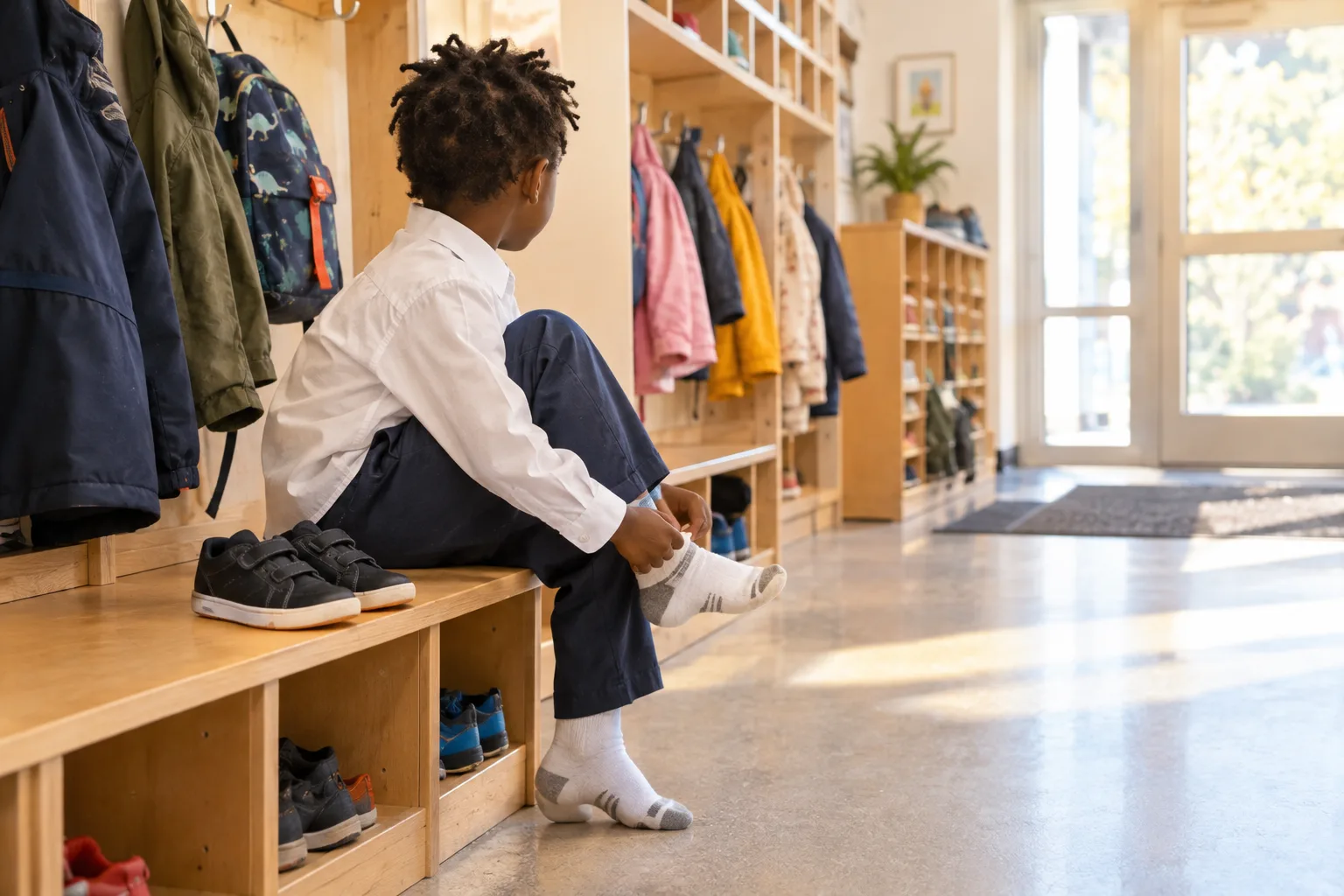
You drop your child off in the morning, fully dressed. By the time you look back through the window, the socks are already off and stuffed in a shoe. Later you hear they changed out of their nice outfit into spare play clothes and refused to change back. And now there is a class photo or a family event coming up, and you have no idea how you will get them into the outfit, let alone keep them in it.
That feeling of relief, turned up loud
Think about walking through your front door after a long day. Shoes off, socks off, jeans swapped for something soft. That little sigh of relief is something most of us know well.
For some children, that relief is much bigger, because the discomfort before it was much bigger. Clothes that feel fine to us can feel, to them, like a constant scratch, a tight band squeezing, or tiny pinpricks they cannot ignore. They have not been "making a fuss." They have been putting up with it for as long as they could.
Common culprits include:
- socks with tight elastic at the ankle or a thick seam across the toes
- stiff fabrics, like crisp shirts, denim, wool or anything newly bought
- collars, waistbands and tags that rub
- outfits that limit movement, so every bend or stretch pulls somewhere
Once a child finally gets out of something uncomfortable, putting it back on means choosing that feeling again. No wonder they say no.
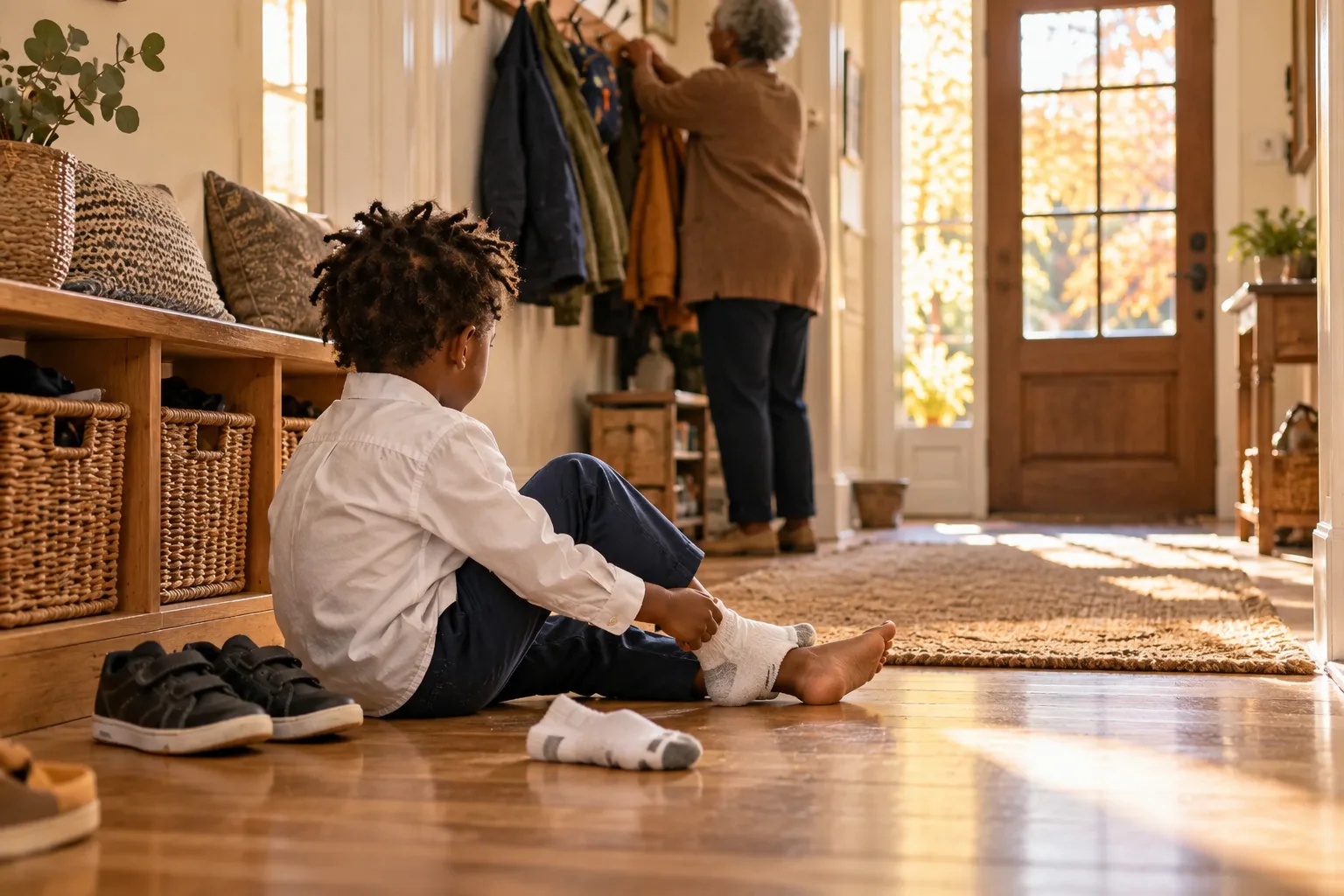
Feet that want to feel the floor
There is another reason some children pull off their socks so quickly: their feet want information.
Try picking a coin out of a purse while wearing thick gloves. You would probably take the gloves off within seconds. For some children, socks and shoes feel a bit like that. They muffle what the feet can feel, and the soles of the feet tell us a great deal about balance and where the ground is. Going barefoot gives these children a clearer, steadier feeling, especially when they want to run, climb and move.
Sometimes it is just how they learned it
Not every case is about sensation. Some children have simply learned that "socks come off when we arrive," perhaps because it is the routine at home or other children do it. Others are not yet sure when a rule applies: socks off in the classroom, but on for outdoor play. These children usually do well with clear, simple explanations of where and when.
What tends to help
Talk to your child's daycare or school. Explain what you have noticed. Ask whether your child can wear soft play clothes instead of stiff ones, go barefoot or wear grip socks indoors, or keep a comfortable change of clothes at hand. Many settings are happy to help once they understand.
Make clothes easier to live in.
- Look for seamless socks and loose, soft ankle cuffs.
- Wash new clothes several times before they are worn, to soften them.
- Try a size up, cut out tags, and choose soft collars or none at all.
- Turn socks inside out so the seams sit on the outside.
- Let your child choose between two or three comfortable options.
Let bare feet happen where it is safe. At home, on grass, on sand. Bare feet on different, firm surfaces give lots of clear feeling and plenty of balance practice.
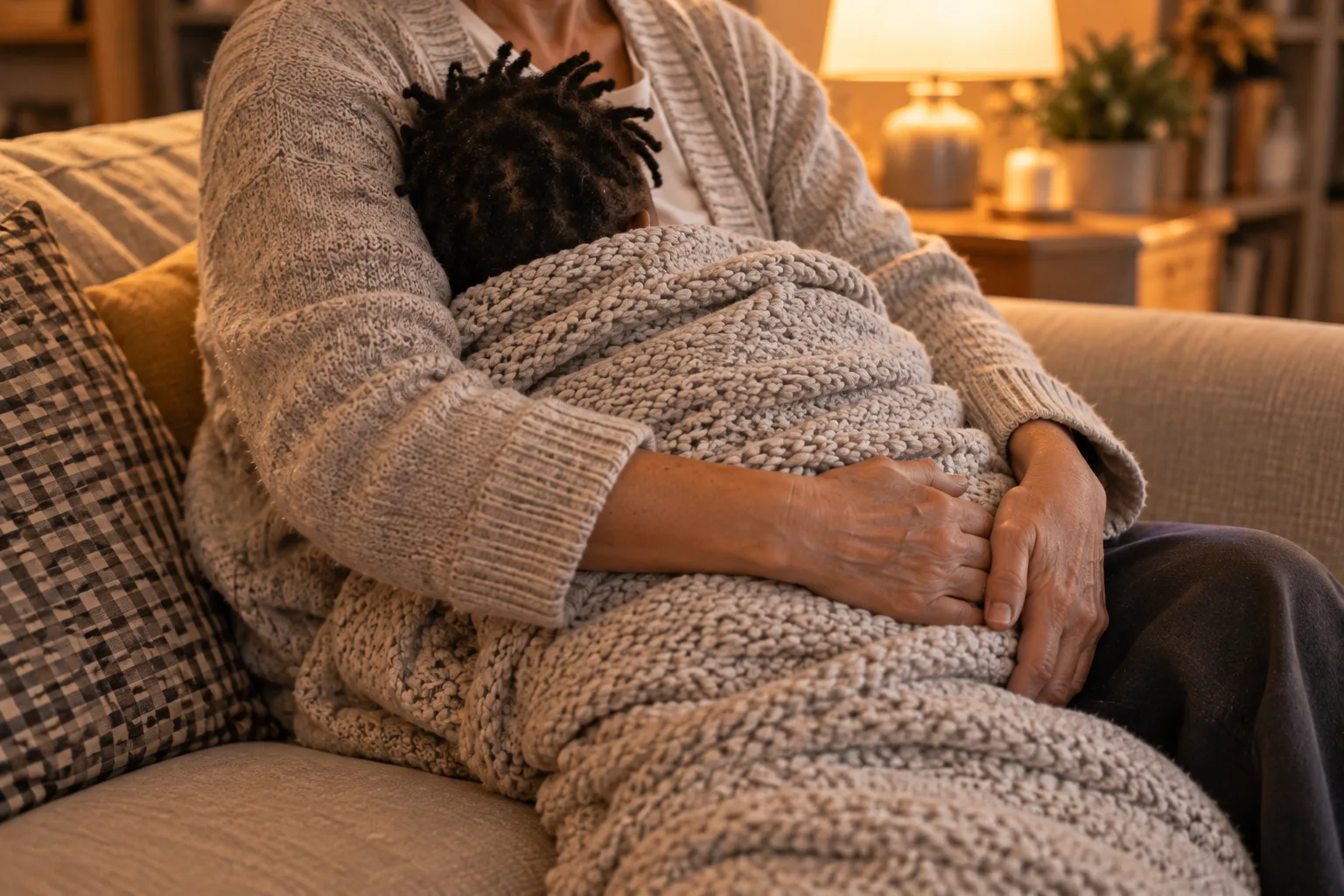
Give the body lots of firm, strong input. Light, unexpected touch tends to feel the most uncomfortable. Firm pressure and strong movement usually help the body feel calmer and less on alert. Try:
- rolling up tightly in a heavy blanket, or squeezing under sofa cushions
- big bear hugs
- jumping, climbing, and hanging from monkey bars
- pushing or pulling something with a bit of weight, like a laundry basket
Prepare for special occasions. If an outfit really matters, practice at home first: a few minutes wearing it while doing something fun, then a little longer the next day. Pick the softest version you can, bring a comfortable change for afterward, and agree on the plan together ahead of time. "Shirt on for the photo, then you can change."
Make the rules visible. For children who are unsure when socks go on or off, simple picture cards help: a picture of the classroom with bare feet, a picture of the playground with shoes on.
When to look for more support
It is worth talking with your child's doctor or another professional who can see your child in person if clothing struggles:
- make it hard to get through daily routines like dressing, school or going out
- lead to big meltdowns most days
- come with strong reactions to many other everyday sensations, such as noise, food textures, brushing teeth or hair washing
A child who keeps taking off their socks is usually not being defiant. They are looking for comfort and a clear feeling of the ground beneath them. When we choose kinder clothes, give their bodies the strong input they are looking for, and explain the rules simply, getting dressed tends to become a lot less of a battle.