Why Does My Child Struggle With Dance Moves and Jump Rope?
Always a beat behind in the dance, tangled in the jump rope, and saying "I can't." Why copying moves is harder than it looks, and how to help.
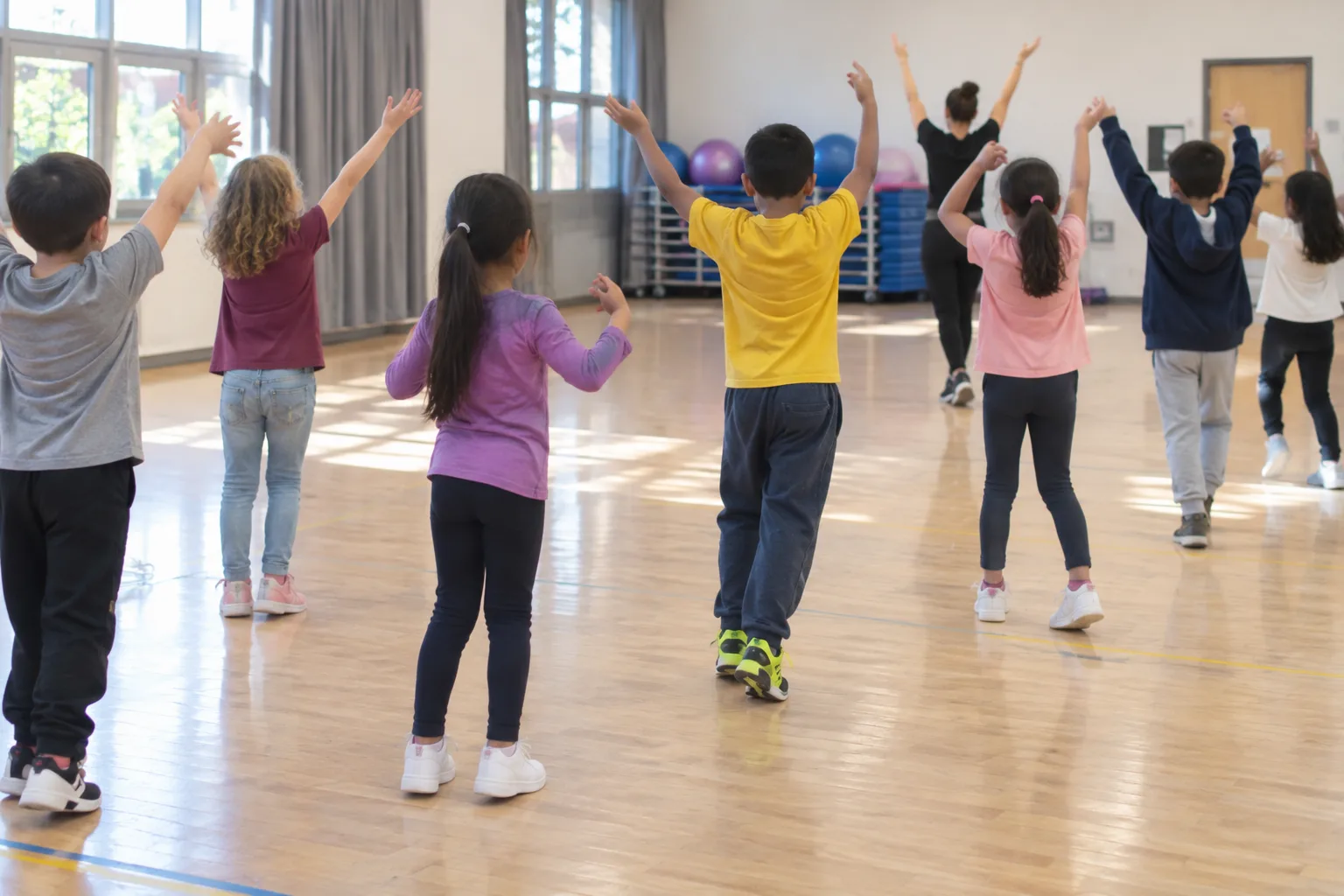
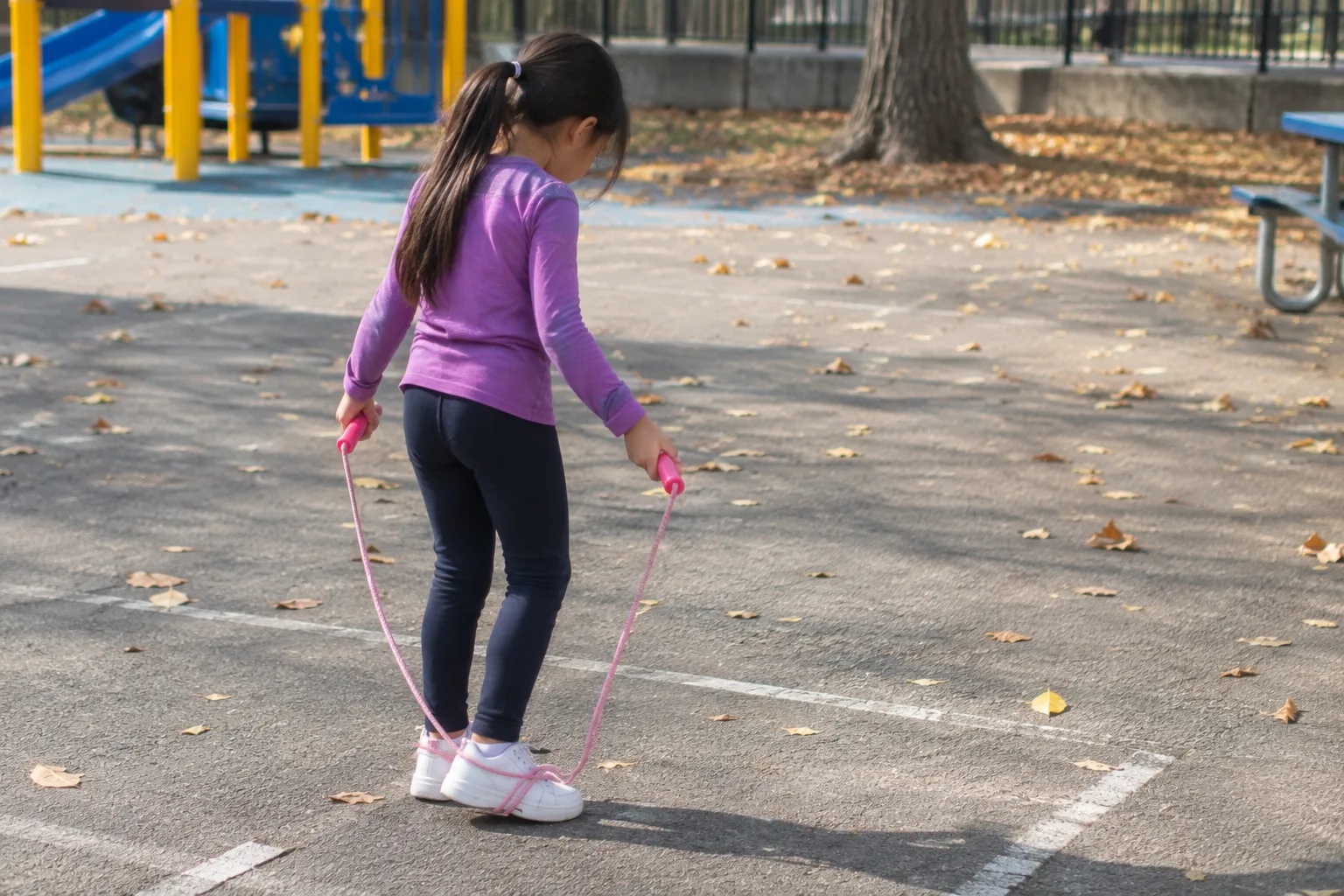
You go to the end-of-term show. The music starts and the children begin their dance. Yours is there too, one beat behind, watching the child next to them, arms going up just as everyone else's come down. Or it is the playground, and a jump rope has wrapped around their ankles for the tenth time. "I can't do it," they say, and drop it on the ground.
It can be hard to watch, especially when your child runs and plays perfectly happily the rest of the time. And it is easy to wonder whether they just aren't trying.
First, some reassurance
Dancing to music and jumping rope look like simple childhood fun, but they are among the trickier things young children get asked to do. Many children take years to get the hang of a jump rope, and plenty only manage it well into their first years at school. Every child learns movements at their own pace, and being slow to pick up a dance says nothing about how bright, hard-working or capable your child is.
The good news is that these skills can be broken down, practised and enjoyed. A child who struggles usually needs a different way in, not more pressure.
Why it can be so hard
Copying means knowing where your own body is. Close your eyes and touch your nose. Easy, because you carry a kind of inner map of your body. To copy a dance, a child has to look at someone else, picture that shape on their own body, and make it happen without looking. If that inner map is still a bit fuzzy, they have to keep checking their arms and legs with their eyes. By the time they have looked, the music has moved on.
Two jobs at once is a big ask. Try patting your head while rubbing your tummy. A jump rope is like that, with a deadline. The hands turn, the feet jump, and both must happen at exactly the right moment. A dance adds hands and feet doing different things, in order, in time with the music. Each piece may be fine on its own, and it is putting them together that falls apart.
Timing is its own skill. Think of joining a skipping rope already turning, or stepping onto a moving walkway. You have to feel the moment and go. Some children find it harder to feel a beat and move in time with it. The music does not wait, so they are always catching up.
Facing the teacher can make it more confusing. When a teacher faces the class, their right arm is on your left. Grown-ups sort this out without thinking. For a young child who is still learning left and right, it can be very muddling.
Worry makes bodies stiff. A child trying very hard often holds their whole body tight, jumps with bent knees, or gets their arms stuck by their sides. If they have started to feel watched or laughed at, the tension gets worse, and so does the movement.
What to look for
A little quiet watching can show you where the sticking point is:
- Do they keep looking at their own hands or feet? That may point towards the body map.
- Can they do each part alone? Can they jump on the spot, and turn a rope without jumping?
- Can they clap along to a song? How about marching to the beat?
- Is it better when you stand beside them instead of facing them?
- Are they different at home? Do they dance freely in the kitchen, but freeze when others are watching?
What tends to help
Take the pressure off first. Play and dance together at home, with no audience and no corrections. The first goal is for your child to enjoy moving. Skills come far more easily to a child who is having fun.
For dancing and copying games:
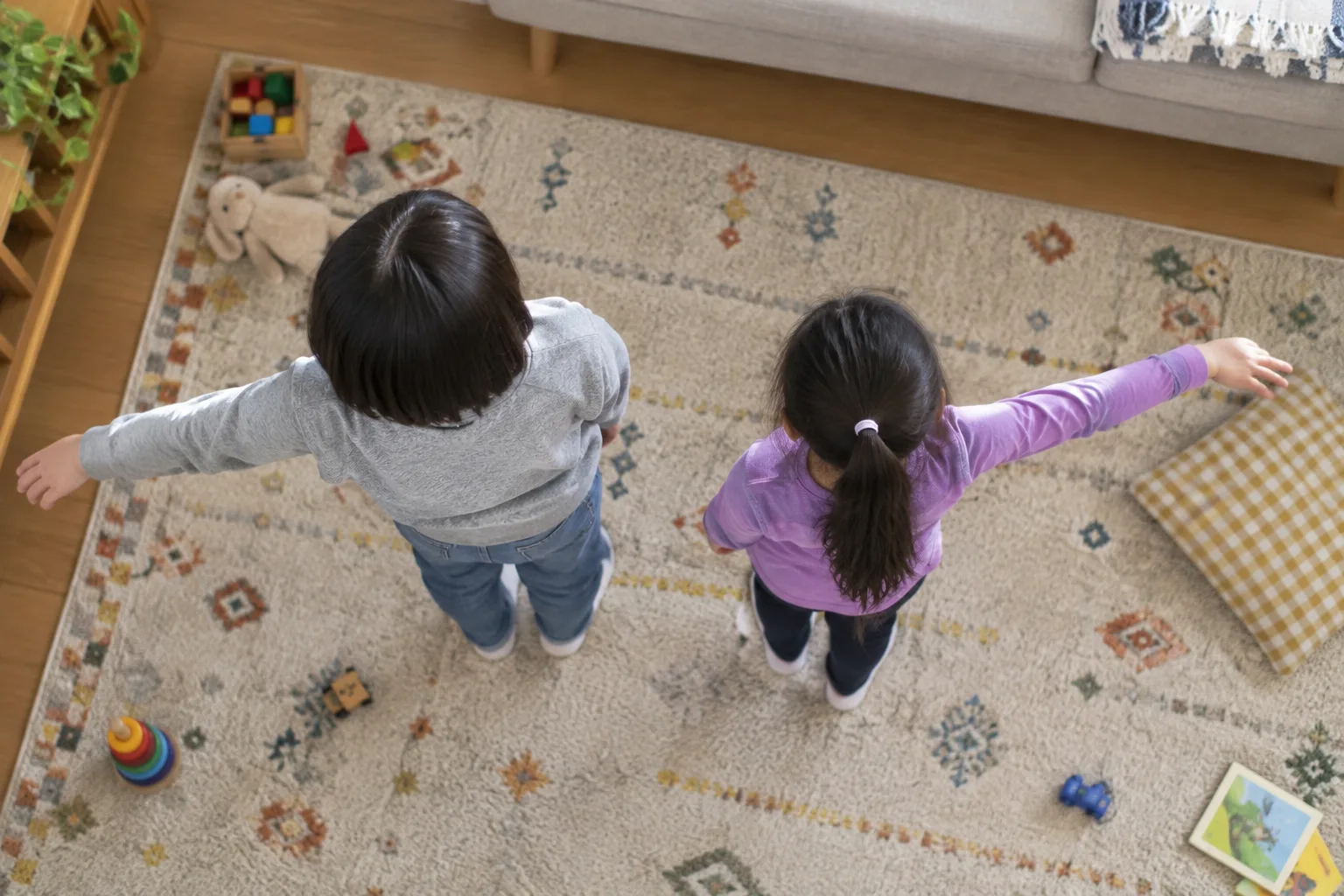
- Stand next to your child, facing the same way, rather than opposite them.
- Dance in front of a mirror or a dark window, so they can see themselves without looking down.
- Watch the whole dance together first, so they know where it is going. Then practise one small move at a time, and add the next when they are ready.
- Play statues, Simon Says or "copy my shape" at a slow speed.
- Clap, stamp and march along to favourite songs to practise feeling the beat.
- Ask the teacher if your child can stand at the side or near the front, and see the moves in advance.
For jump rope, build it up in pieces:
- Start with no rope at all: two-footed jumps on the spot, landing softly, with straight backs.
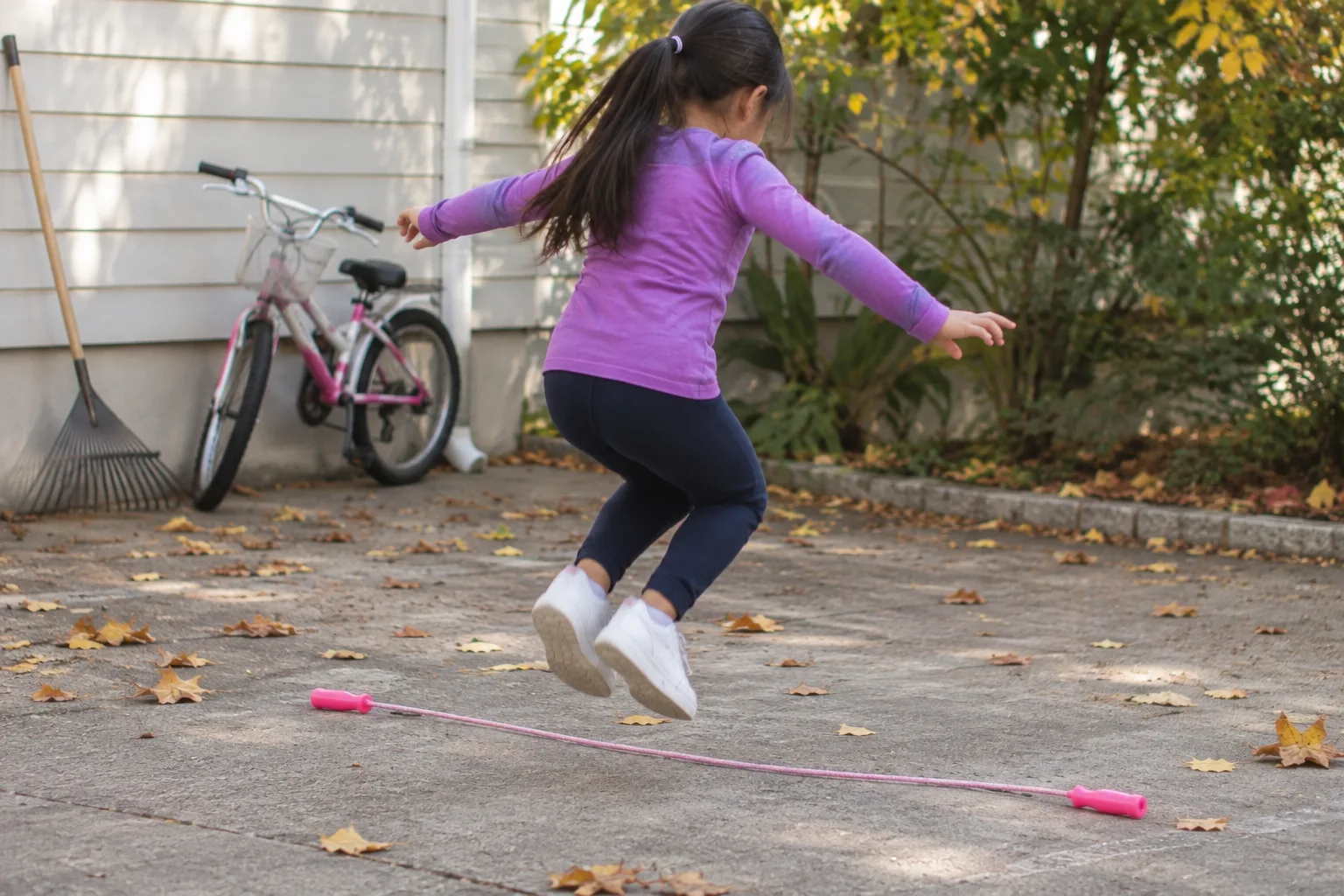
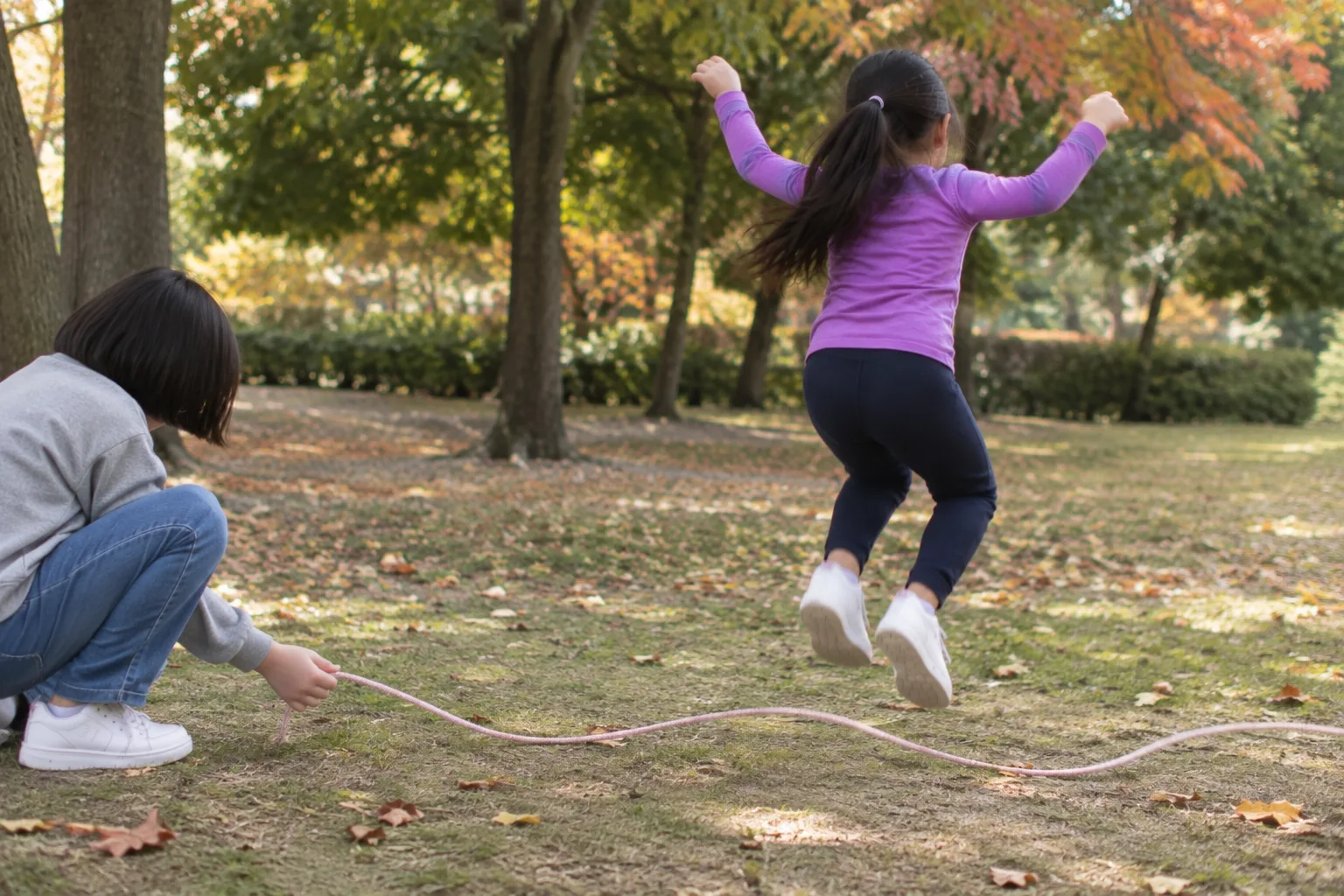
- Lay the rope on the ground and jump over it, forwards and backwards.
- Wiggle the rope along the ground like a snake and let your child hop over it.
- Practise turning the rope on one side of the body, without jumping.
- Have two people slowly swing a long rope, so your child only has to do the jumping.
- Then try it all together: rope comes over, stop, jump. One jump at a time is a real win.
- Check the rope length: a longer rope is often easier to turn.
Build up the body in everyday play. Climbing frames, hopscotch, balancing on low walls, trampolines and swimming all help children feel where their bodies are and how to coordinate them.
Notice the effort. "You kept going even when it got tangled" helps far more than "It's easy, just jump." Avoid comparing them with brothers, sisters or friends.
When to look for more support
It is worth talking with your child's doctor or another professional who can see your child in person if:
- everyday movement tasks are also very hard, such as stairs, buttons, using a fork or holding a pencil
- your child trips, falls or bumps into things a lot, more than you would expect
- they have stopped doing things they used to be able to do
- they complain of pain, or tire very quickly when moving
- they seem to struggle to see or hear what is going on, or you have any concerns about their sight or hearing
- they have started avoiding PE and playtime, or say they hate school because of it
A child who is a beat behind in the dance is often working very hard indeed. When we slow things down, break them into small pieces and keep them fun, children can get there in their own time, and just as importantly, they keep enjoying moving along the way.