Why Does My Child Climb on Everything, Even After I Say No?
Shelves, tables, the back of the sofa. Why some children keep climbing after every warning, how to make home safer, and where to give them a yes.
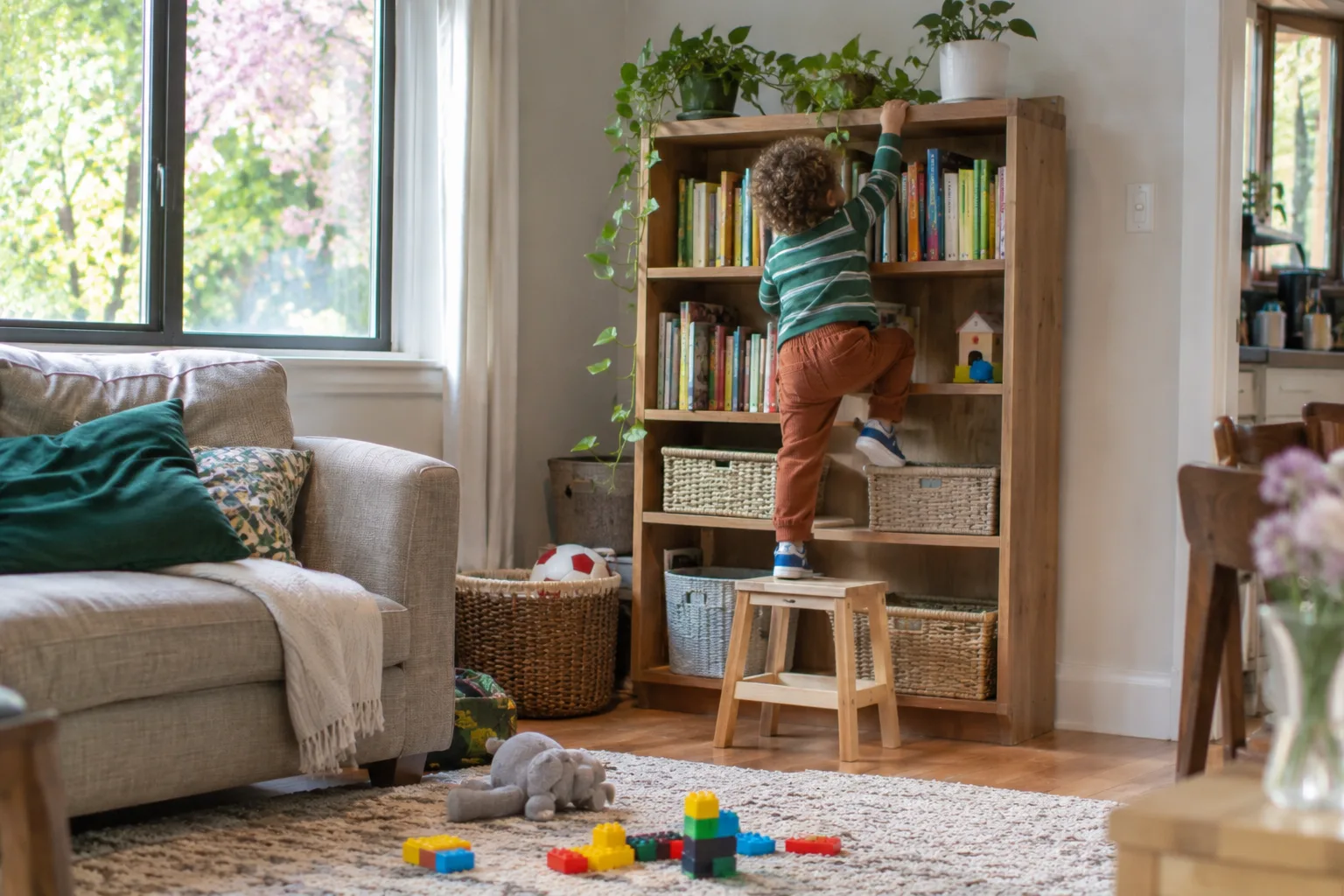
You turn around to stir a pot, and when you turn back your child is halfway up the bookcase. You lift them down and explain, again, that it is dangerous. They nod. Ten minutes later they are standing on the kitchen table. The nursery says the same thing has been happening there.
It is frightening, and it is tiring. You can start to feel like you spend the whole day on patrol, and that nothing you say is getting through.
First, some reassurance
Climbing is one of the most natural things a young child does. Most children go through a stage of scaling whatever they can find, and it does not mean your child is naughty or that you are being ignored on purpose. Climbing also builds real strength, balance and confidence.
So the goal is not to produce a child who never wants to climb. It is to keep them safe today, while giving all that climbing somewhere good to go.
Why they keep doing it
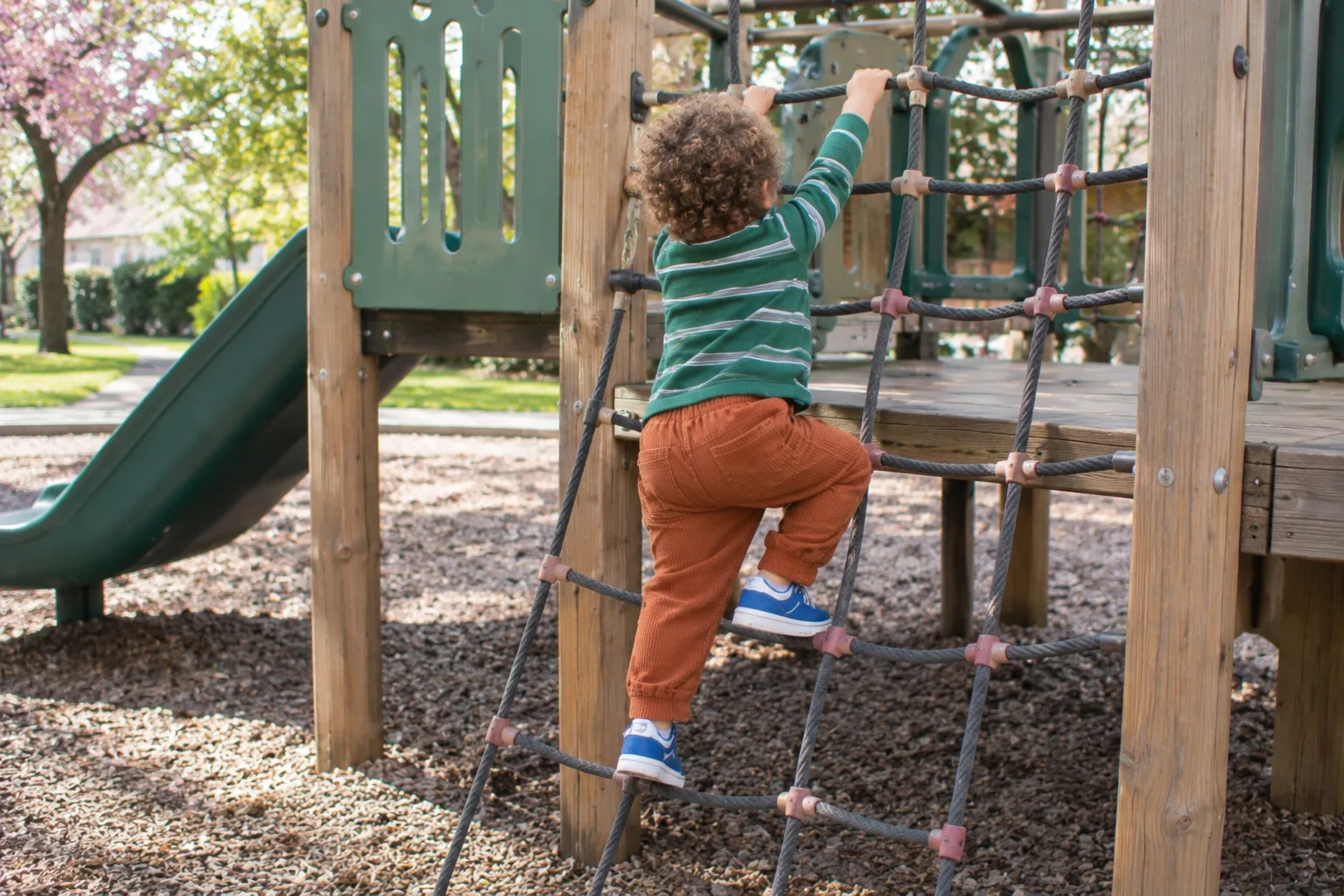
It feels good all over. Think about the stretch you take after hours at a desk, or how satisfying it is to carry something heavy up the stairs. Climbing gives a child that same strong, full-body feeling: hands gripping, arms pulling, legs pushing. Some children enjoy this far more than others and keep coming back for it, much as some adults can't go a day without a run.
Being up high is thrilling. Remember the top of a rollercoaster, or leaning out from a high lookout. There is a fizz to it. A small child also spends the whole day in a world of knees and table legs. From the top of a shelf they can see everything, and they can reach the things grown-ups keep out of the way. What a view, and what a prize.
Their bodies are ahead of their judgment. Climbing skills often arrive long before a child can picture what would happen if they fell. It is a little like being handed the car keys before your first driving lesson. They can get up there, but they can't yet judge how high is too high, whether a shelf will hold them, or how they will get down. Some children also don't seem to notice height much at all, and will wander calmly along an edge that makes your stomach turn.
"No" doesn't stay in the mind for long. Your child may truly understand the rule when you say it. But young children are still learning to remember a rule while something exciting is right in front of them. That is why the warning works for ten minutes. And "don't climb that" tells them what to stop doing, but not where that wonderful urge can go instead.
It gets a big reaction. When a parent gasps and runs across the room, that is very interesting to a small child. Sometimes climbing becomes a reliable way to bring you over.
What to look for
A few days of noticing can show you what is driving it:
- What is at the top? A toy, a snack or the window view, or does the climb itself seem to be the point?
- When does it happen? After a long time indoors, or when your attention is elsewhere?
- Do they look back to see if you have noticed?
- Does it settle on days with lots of active outdoor play?
- Do they seem to know when something is too high? Do they slow down and test it, or just keep going?
- Can they get themselves back down safely?
What tends to help
Make your home safer first. This comes before any teaching, because a child who is still learning can't be relied on to remember.
- Fix bookcases, chests of drawers and TVs to the wall with anti-tip straps. A climbing child can pull heavy furniture over.
- Move chairs, stools and toy boxes away from windows, shelves and kitchen counters.
- Fit window guards or window stops. A fly screen will not hold a child's weight.
- Keep balcony doors locked, and keep furniture and plant pots away from railings.
- Put tempting things out of sight rather than up high.
- If you can't watch for a moment, use a room you have already made safe.
Give them a clear yes. A rule works much better when it has two halves: "Shelves are not for climbing. The cushions are for climbing." Then take them straight there. Say the same words every time, and ask the nursery to use them as well. For very young children, or those still building their understanding of words, pictures can help. Try a green sticker on the things they may climb, and show them by walking over and touching it.
Set up some yes places. Indoors:
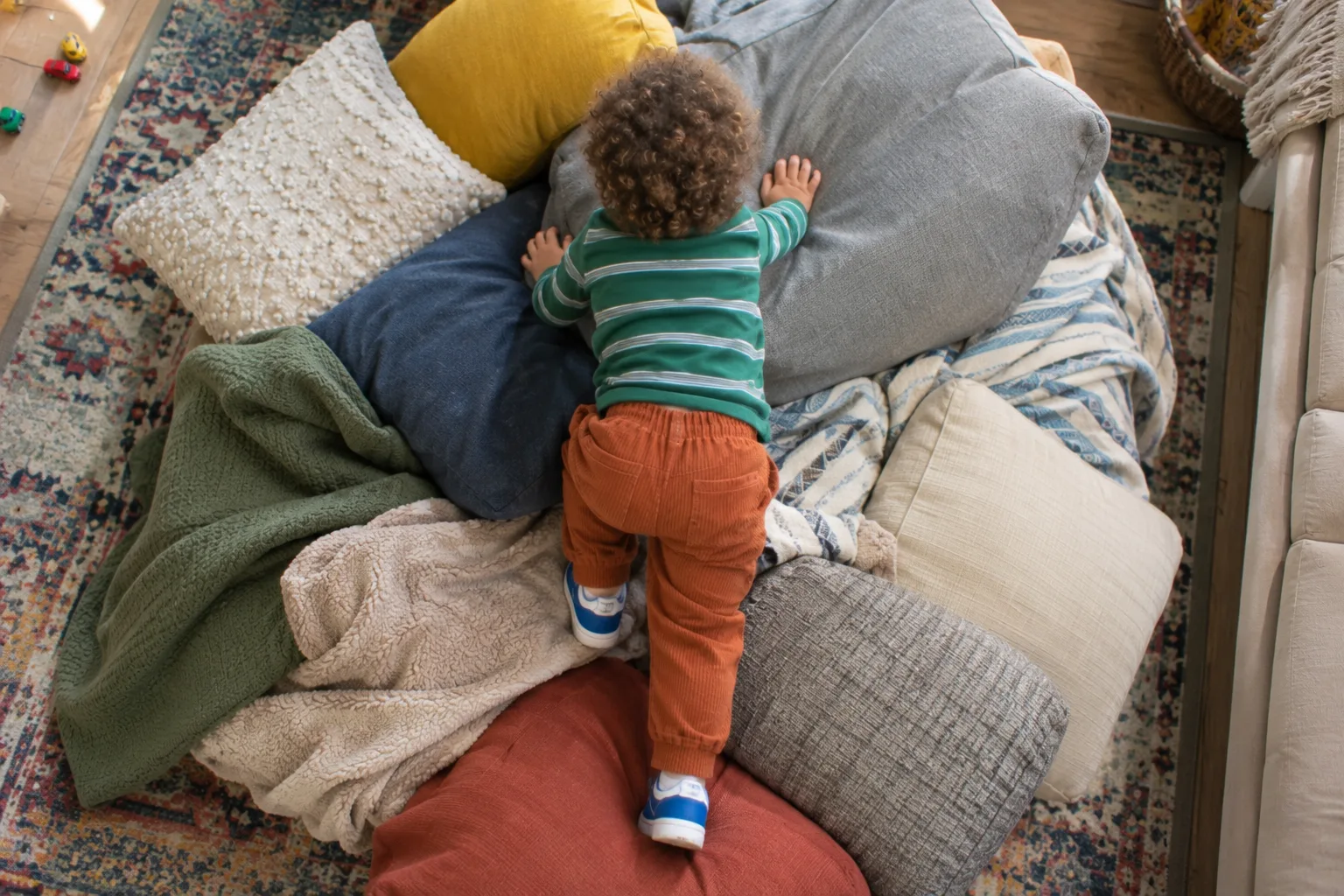
- A mountain of sofa cushions and blankets on the floor
- A soft low step or play tunnel to crawl over and through
- A small indoor climbing frame, if you have the space
Outdoors, try for a daily trip if you can:
- Climbing frames, ladders and rope nets
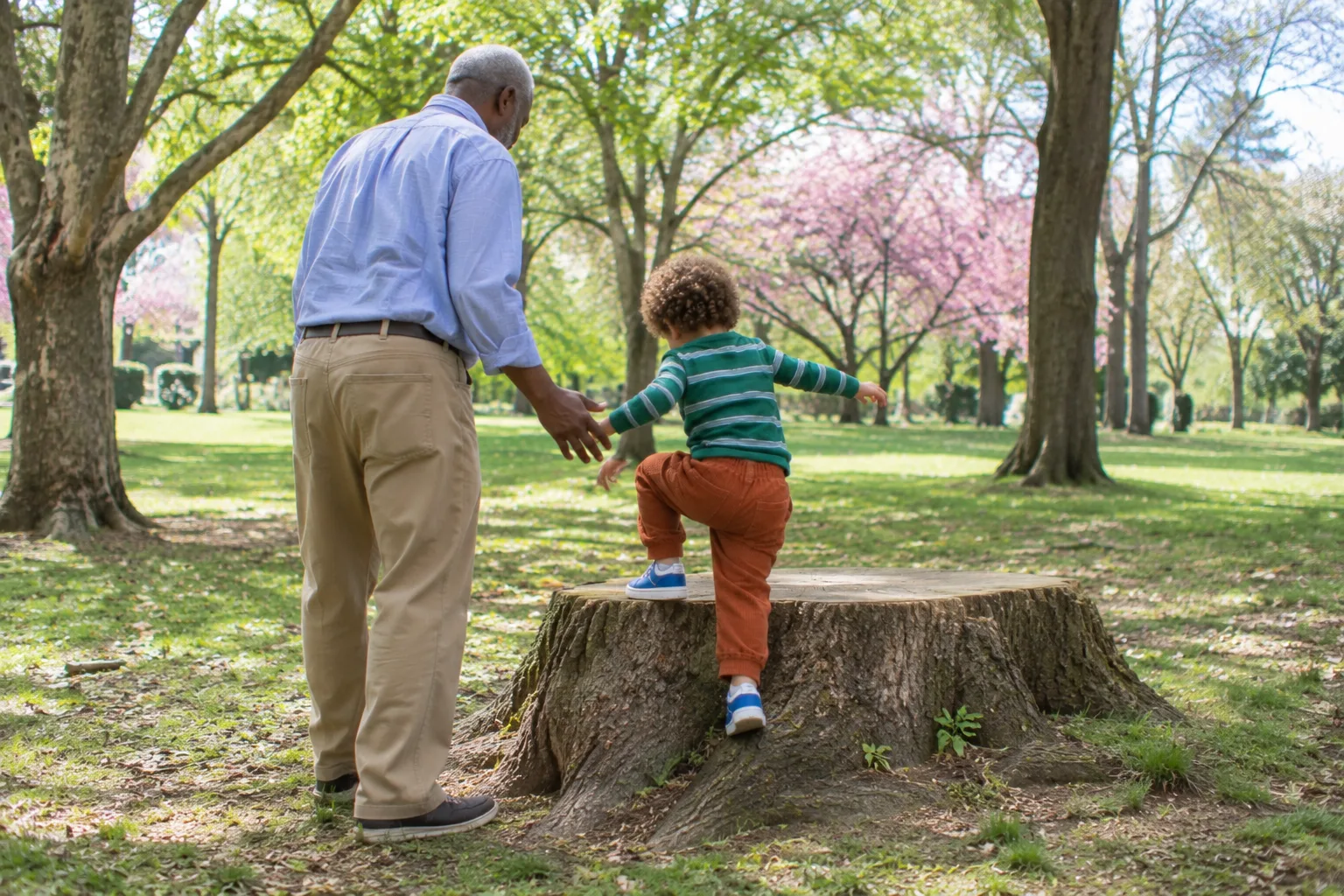
- Low walls, tree stumps and hills to run up
- Monkey bars or anything else to hang from

Offer the feeling of being up high, with you. If it is height they love, give it to them safely. Lift them up to touch the ceiling, play airplane on your raised legs, or carry them on your shoulders so they can see the whole park. Let them help "reach" things while you hold them.
Keep your reaction calm and boring. If they are somewhere dangerous, walk over quickly and quietly, lift them down and repeat your two-part rule. Save your big smiles and excited voice for the moments they head to the cushions on their own.
Teach them about coming down. At the playground, stay close and let them work out their own route. Talk about it: "Where does your foot go next?" Children learn a lot about their limits by climbing small things with someone nearby.
When to look for more support
It is worth talking with your child's doctor or another professional who can see your child in person if:
- your child keeps getting hurt, or doesn't seem bothered by falls or knocks
- they keep heading for truly dangerous places, such as windows, balconies or roofs, despite everything you have put in place
- they find it hard to follow simple words such as "stop" or "come down"
- climbing, running and moving take up most of the day, and it is hard for them to settle to anything else
- you feel you can't keep them safe, or you are worn out from trying
A child who climbs everything is usually not defying you. They have found something their body loves, and they haven't yet learned where it is safe to do it. Strap down the furniture, offer plenty of places to say yes to, and keep saying the same calm words. Bit by bit, those words start to stick.