Why Does My Child Always Flop, Slump and Lie Down?
Sprawled on the floor for TV, slumped at the table, a bit clumsy on the move. Here is what may be going on, and playful ways to help the body feel stronger.
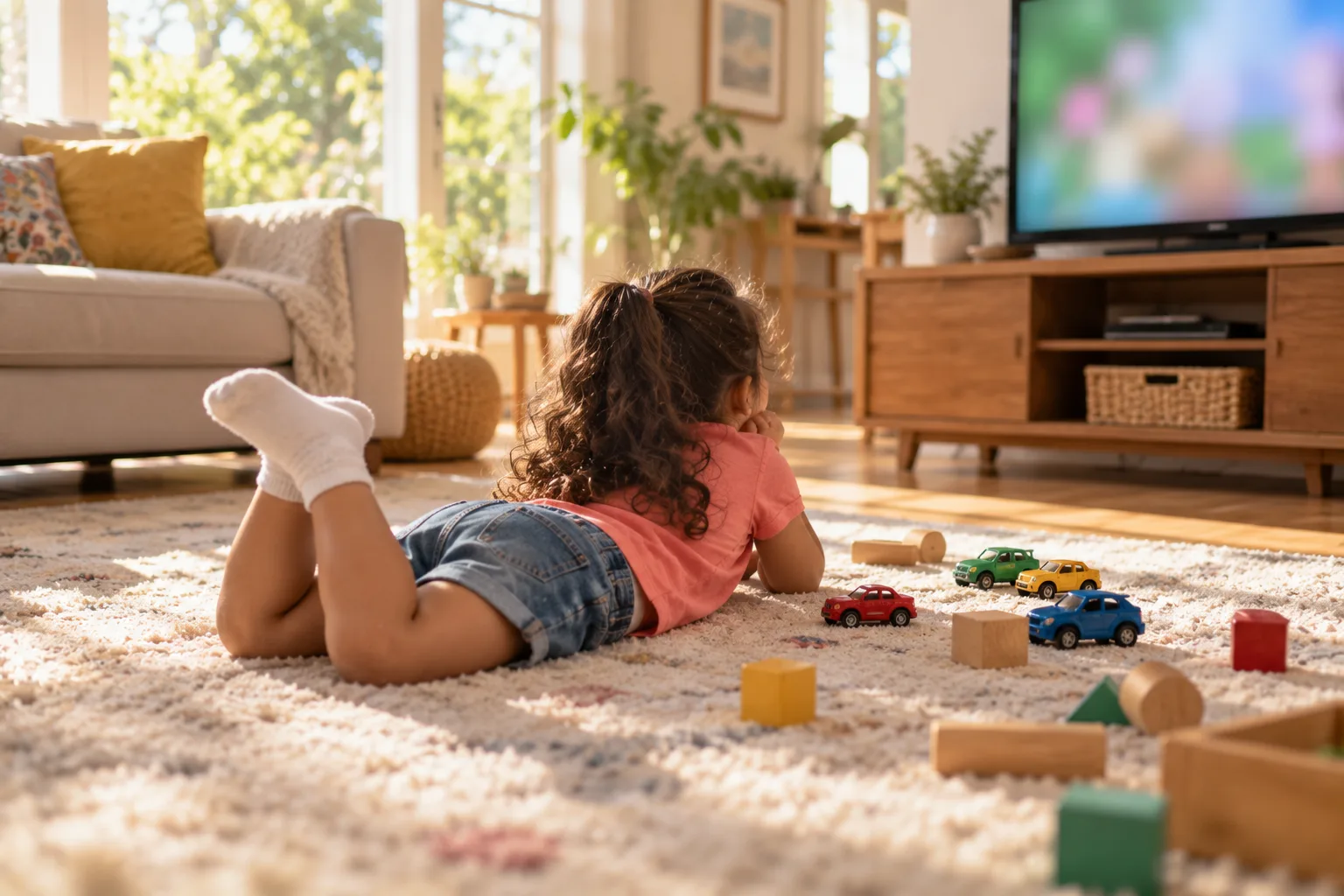
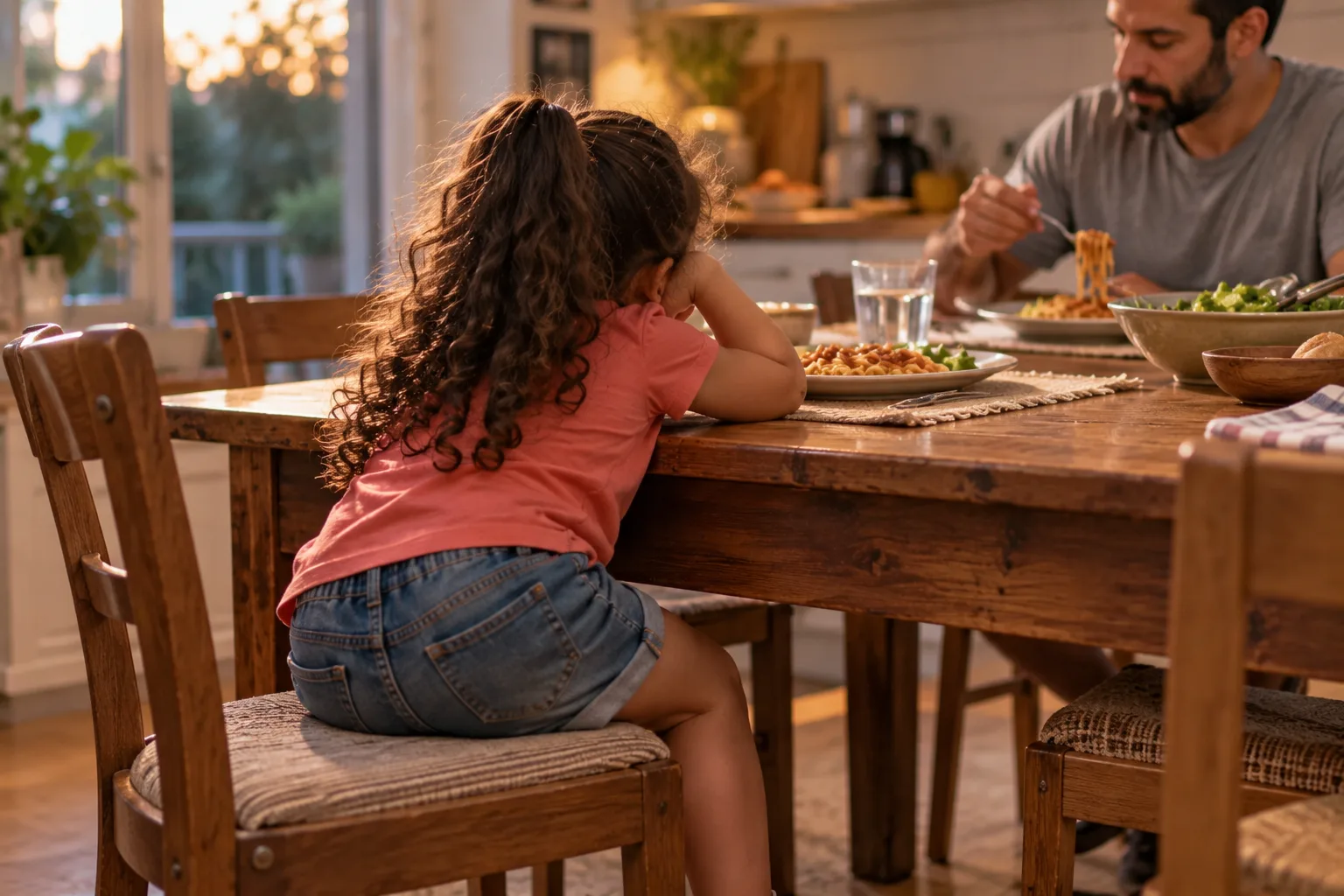
The cartoon comes on, and within seconds your child is no longer sitting. They have slid off the sofa and are sprawled across the rug, chin propped in their hands, legs everywhere. At dinner they lean on one elbow, then the other, then slide halfway under the table. Getting shoes on takes forever. Running to the car looks more like a gentle wobble.
It is easy to read this as laziness, or to hear yourself saying "sit up properly" for the hundredth time and feel your patience wearing thin. But for some children, flopping is not a choice to be difficult. It is simply the most comfortable way their body knows to get through the day.
First, some reassurance
Young children are naturally wriggly and bendy. They sit in positions that would make an adult wince, lie on the floor to play, and get tired after a busy morning. Strength, balance and smooth movement keep developing well into the school years, and every child builds them at their own pace.
So a child who likes to lounge is not automatically a worry. What is worth paying attention to is a child who seems to tire quickly whenever they have to hold themselves up, and who looks a little unsure of their body when they move.
Why some children flop
Holding the body up takes more effort. Try holding a full shopping bag out at arm's length. At first it is easy, then your arm starts to shake, and soon you just want to put it down. Sitting up straight works a bit like that. It needs the muscles of the tummy, back and neck to keep gently working the whole time. For some children those muscles get tired sooner, so they lean, slump or lie down to rest them. Lying flat to watch TV means the floor does all the work.
The body's "inner map" is a little blurry. We all carry a quiet sense of where our arms and legs are and which way is up, even with our eyes closed. It is what lets you walk downstairs in the dark or scratch your nose without looking. When that inner map is less clear, a child has to work harder to stay balanced and upright. Leaning against things, or lying down, gives them a steady, clear feeling of where they are.
Planning a movement is hard work. Think of the first time you tried a new dance. You had to think about every step, and you probably felt clumsy and slow. For some children, everyday movements like climbing onto a chair, catching a ball or getting dressed still feel a bit like that. They may move slowly and carefully, avoid new physical games, or bump into furniture because judging distances is tricky.
Tired bodies find the easy option. After a long day at daycare, a growth spurt or a poor night's sleep, any child will flop more. Screens can add to it, because watching is the one time a child can switch off completely.
What do you notice?
A few days of watching can help you see the pattern:
- When does the flopping happen? All the time, or mostly when sitting still, like at meals, story time or in front of a screen?
- How does your child sit on the floor? Do they lean on furniture or prop themselves on their hands?
- How do they move? Slow and careful, or quick but a little crashy?
- What do they avoid? Climbing frames, ball games, buttons and zips, or riding a scooter?
- How quickly do they tire? Do they ask to be carried on walks, or need a rest after a short play at the park?
What tends to help
Reminders to sit up straight rarely work for long, and they can make a child feel they are getting it wrong. It helps more to build strength and body awareness through play, and to make sitting a little easier in the meantime.
Make sitting easier.
- Choose a chair where your child's feet rest flat on the floor or a step, with their knees bent at a right angle.
- A small cushion behind the back, or a table at elbow height, can make a real difference at meals.
- For TV time, try lying on their tummy propped on elbows. It is a great way to build neck and shoulder strength without anyone noticing.
Play that builds strength.
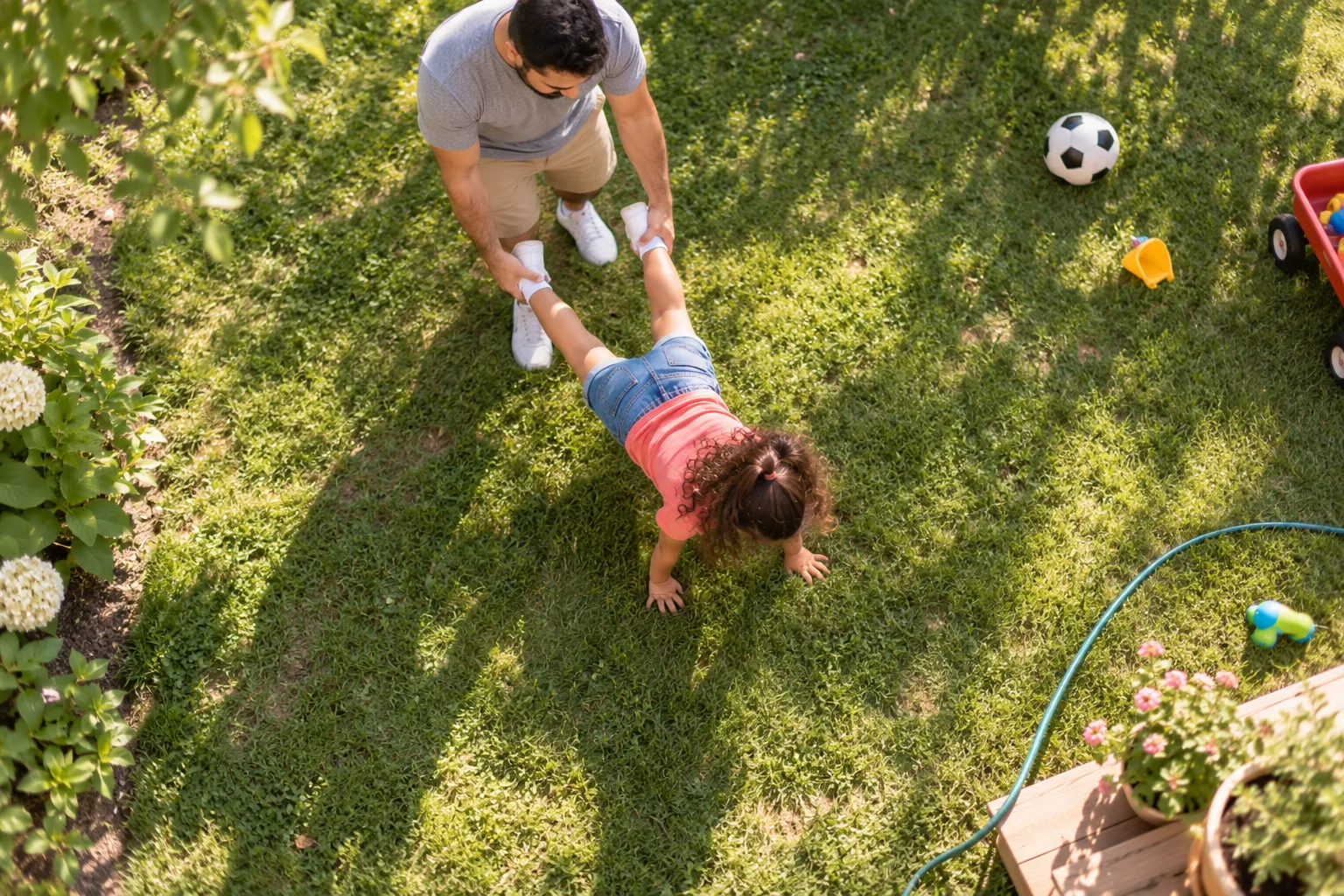
- Wheelbarrow walks, crab walks and bear crawls across the lawn or living room.
- Pushing a laundry basket full of toys, pulling a friend on a blanket, or carrying the shopping in.
- Tummy-time games for older children: lie on your fronts and build a puzzle, colour or race toy cars.
Play that helps the body find itself.
- Swings, slides, rocking and spinning on a playground roundabout.
- Jumping on a small trampoline, hopping between cushions or jumping into a leaf pile.
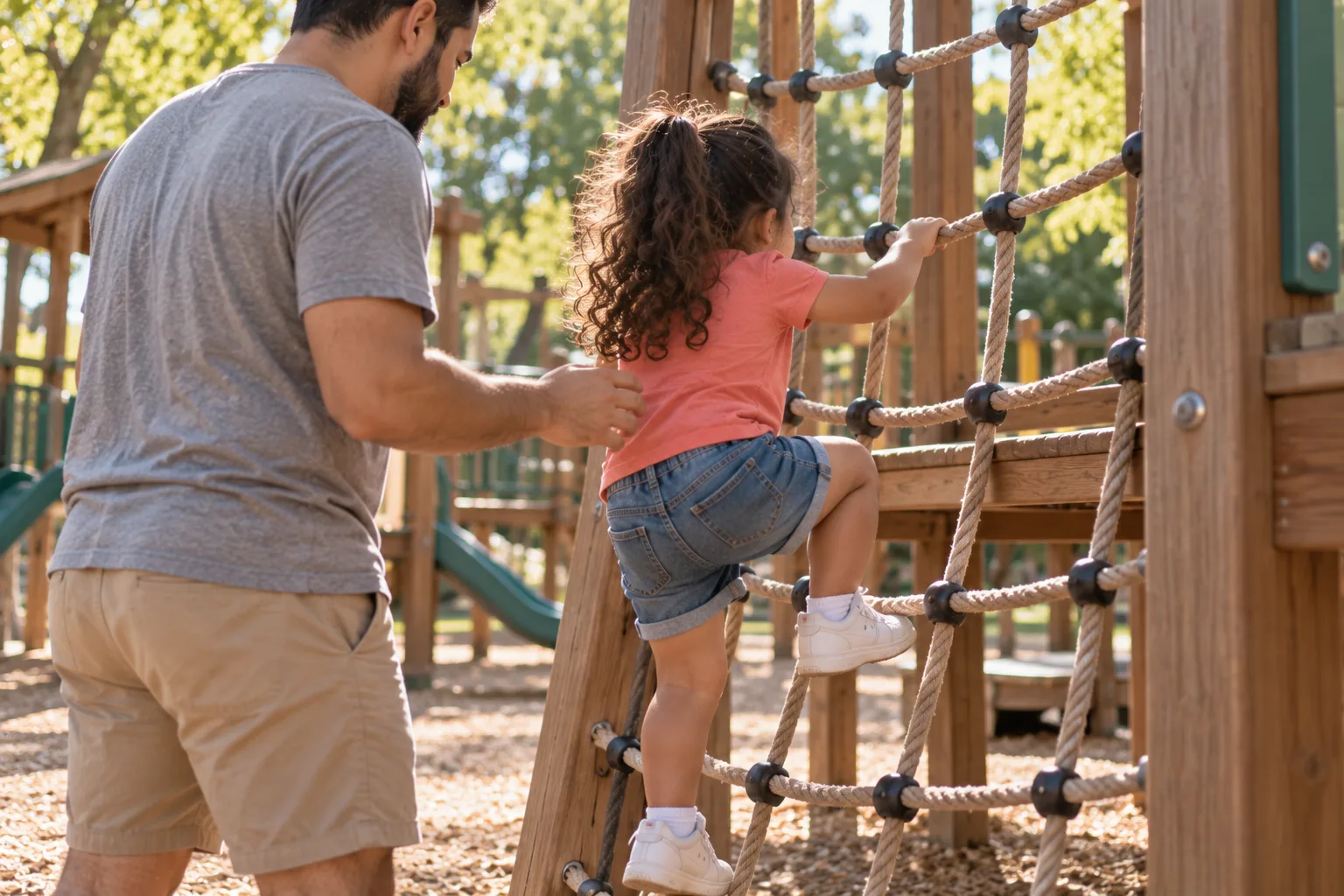
- Climbing frames, low walls to balance along, and obstacle courses made from sofa cushions.
- Animal walks: tiptoe like a cat, stomp like an elephant, slither like a snake.
Go slowly and keep it fun. Short, simple games repeated often work better than long sessions. Doing the same climb or obstacle course every day helps a child feel confident. Join in, cheer the effort rather than the result, and stop while they still want more.
Break up screen time. Try "moving ad breaks": every time a show ends, everyone does five big jumps, a quick crab walk across the room, or a race to the door and back.
When to look for more support
It is worth talking with your child's doctor or another professional who can see your child in person if your child:
- was late to sit, crawl or walk, or still struggles with things like stairs and jumping
- seems unusually weak, floppy or tired, even after rest
- has lost skills they used to have, such as walking further or climbing
- trips and falls a lot, more than you would expect
- complains of pain in their muscles or joints
- finds everyday tasks like eating, dressing or playing much harder than you would expect

A child who flops is usually not being lazy. Their body is asking for a rest, or for a clearer sense of where it is. When we swap "sit up!" for wheelbarrow races, climbing and swinging, and cheer them on with a lot of patience, many children slowly grow stronger, steadier and more sure of themselves.