Why Does My Child Cover Their Ears and Panic in Loud Places?
Fine at home, but hands over ears at music time, parties or the supermarket. Here is why noise can feel so big to some children, and calm ways to help.
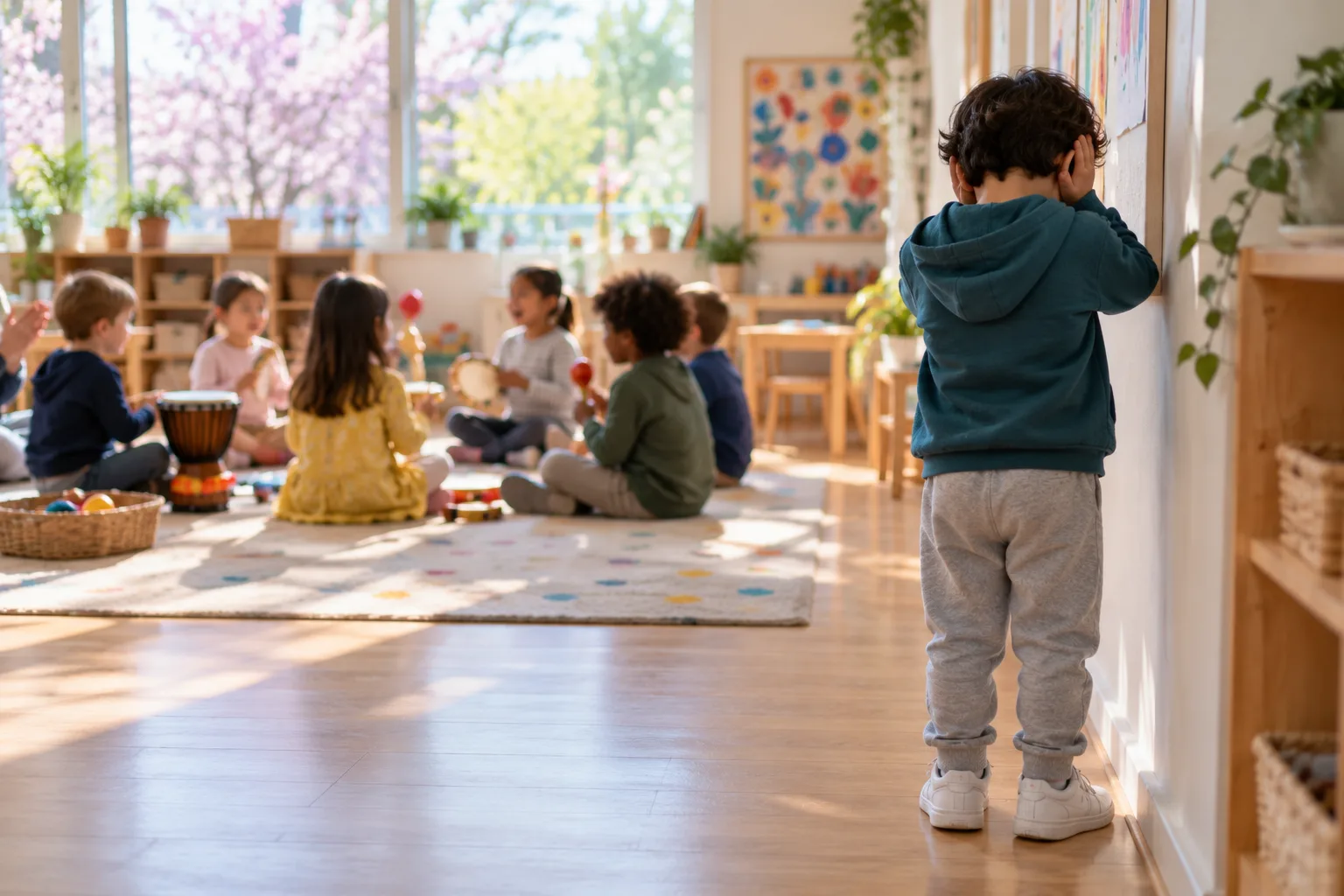
The music teacher hands out drums, bells and shakers, and everyone starts playing at once. Within seconds your child has both hands pressed over their ears, eyes squeezed shut, backing towards the wall. Maybe they cry. Maybe they bolt for the door. At home, the same child happily bangs pots with a wooden spoon. So what is going on?
You might also notice it at birthday parties, in a busy supermarket, at the hand dryer in a public toilet, or when a motorbike roars past. It can be confusing, and a little embarrassing when other parents are watching. But it usually makes a lot of sense once you see the world through your child's ears.
First, some reassurance
Plenty of young children dislike sudden loud sounds. Babies startle at a slammed door, and many toddlers cry at fireworks, vacuum cleaners or blenders. For most children, these reactions fade as they grow and learn that the noise is not a danger.
Some children keep reacting strongly for longer, especially in busy, noisy places. That does not mean they are being dramatic or difficult. Covering their ears is actually a sensible move: it is the quickest way they know to turn the world down.
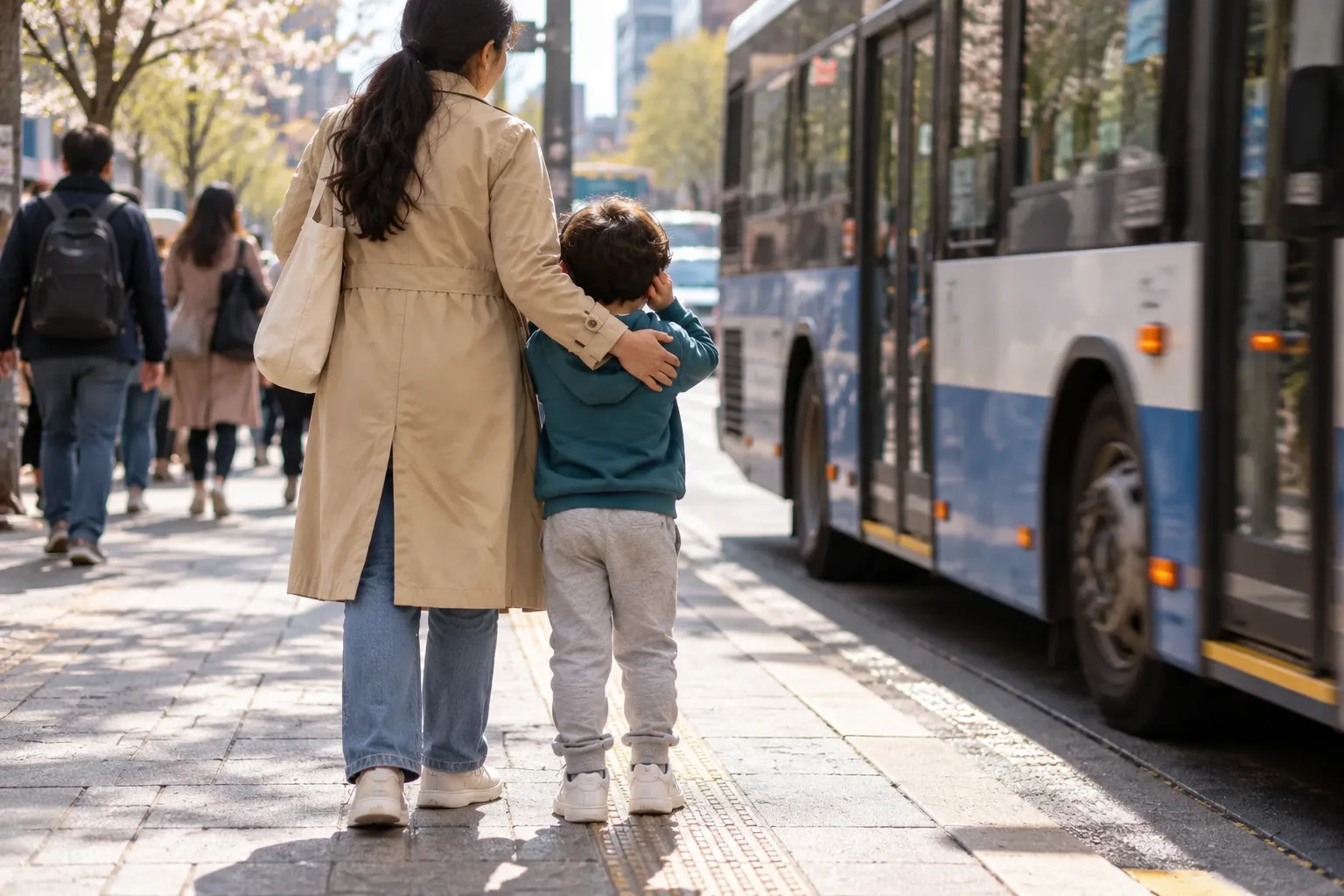
Why noise can feel so big
There is no "volume knob" yet. Think about chatting with a friend in a busy café. Somehow you hear their voice clearly, while the coffee machine, the music and the other tables fade into the background. Your brain does that sorting without you even trying. Some children are still learning to do it. For them, every sound arrives at full volume, all at once, and nothing gets pushed into the background. A music class with ten instruments can feel like standing inside the drum.
Home is quiet and predictable. Outside is not. At home, your child knows every sound. The fridge hums, the kettle clicks, the dog barks at the postman. They also control the noise they make themselves, which is why banging pots is fun. Out in the world, sounds come from everywhere and nobody warns them first. A sound you choose and a sound that jumps out at you feel very different, even at the same volume.
Sudden and strange sounds feel like alarms. Adults jump at an unexpected bang too. Now imagine that every crash, squeal and announcement makes your heart race in the same way. Some children react more strongly to sounds they cannot see the source of or do not understand, like a loudspeaker, a hand dryer or a crowd suddenly cheering.
Too much, for too long, adds up. Noise can be tiring. A child who has spent a whole morning at a busy daycare may cope well at first, then fall apart at the noisy lunch table. Some children also feel dizzy, sick or wobbly when sounds get too much, which makes the whole experience even scarier.

What does your child notice?
A little detective work can help you plan ahead. Over the next week or two, you might watch for:
- Which sounds? Sudden bangs, high-pitched squeals, machines like hand dryers, or general crowd noise?
- Where? Is it mostly in group settings, shops, parties or outside?
- When in the day? Is it worse when your child is tired, hungry or has already had a busy morning?
- Warning or surprise? Does it help when they know a noise is coming, or can see where it comes from?
- How long does it take to settle? A minute in a quiet spot, or the rest of the day?
What tends to help
Believe the feeling. "That's really loud for you, isn't it" is far more helpful than "It's not that loud." Your child needs to know you are on their side before they can feel brave.
Give them a way to turn it down.
- Keep a pair of child-sized ear defenders in your bag for truly loud events, like fireworks, concerts or hand dryers.
- Use them for the loud moments, not all day. Children still need plenty of ordinary everyday sound to get used to.
- Agree on a simple signal your child can use when it is all too much, like a tap on your arm or a "quiet card."
Plan for busy places.
- Arrive early, before a party or shop gets crowded.
- Point out a quiet spot together when you arrive, so your child knows where to go.
- Tell them about noises before they happen: "The bell will ring soon," "I'm going to turn on the blender now."
- Ask daycare or preschool whether your child can sit near the edge of the group at music time, start with a quieter instrument, or step out for a short break.
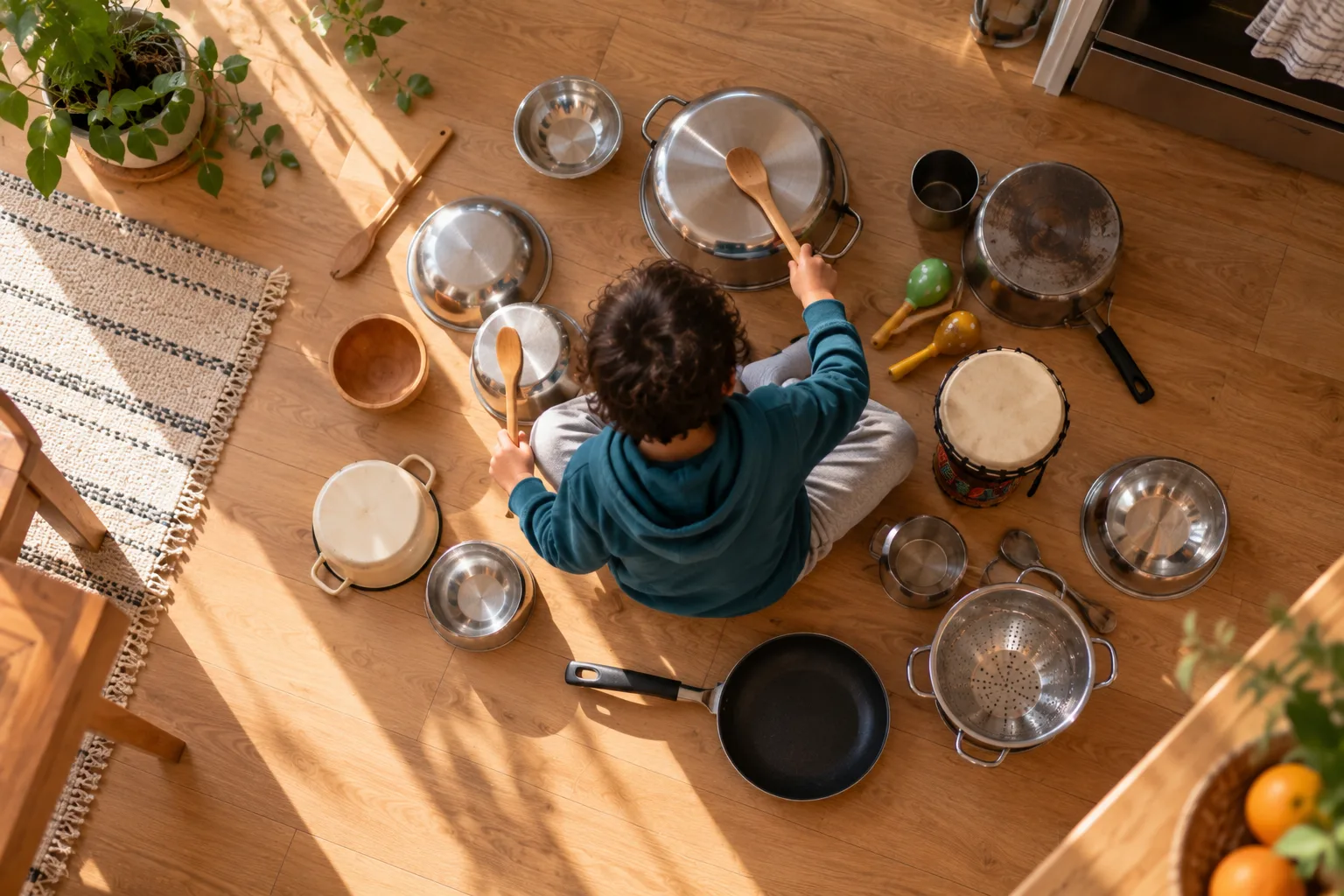
Play with sound at home. Children feel braver about sounds they can control.
- Make music together with pots, spoons, shakers and drums, starting soft and getting louder only if your child wants to.
- Play "loud and quiet" games: whisper, then speak, then shout and back again.
- Go on a listening walk and name every sound you hear: birds, a bus, a dog, the wind.
- Record familiar household noises on your phone and play them back quietly, so they become old friends.
Calm the body before and after. Firm, steady pressure and slow movement often help a child settle when they are on high alert. Try a tight hug, wrapping up in a blanket, a slow swing, or carrying something a bit heavy. A quiet ten minutes after a noisy outing can help more than you would expect.
When to look for more support
It is worth talking with your child's doctor or another professional who can see your child in person if:
- your child often seems not to hear quiet speech, says "what?" a lot, or has had many ear infections (a simple hearing check is a good first step)
- they complain that sounds hurt their ears
- noise regularly leads to vomiting, dizziness or very long meltdowns
- it stops your child from going to daycare, parties or the playground
- your child is also strongly bothered by many other sensations, such as textures, smells or being touched

A child who covers their ears in a loud room is not being rude or difficult. They are protecting themselves the best way they know. When we turn the world down a little, warn them what is coming and give them plenty of chances to play with sound on their own terms, many children slowly find that noisy places are not quite so frightening after all.