Why Does My Child Laugh and Hit Me?
Not angry, not upset, just laughing, and then a smack. What research does and doesn't tell us, why it may happen, and calm ways to respond.
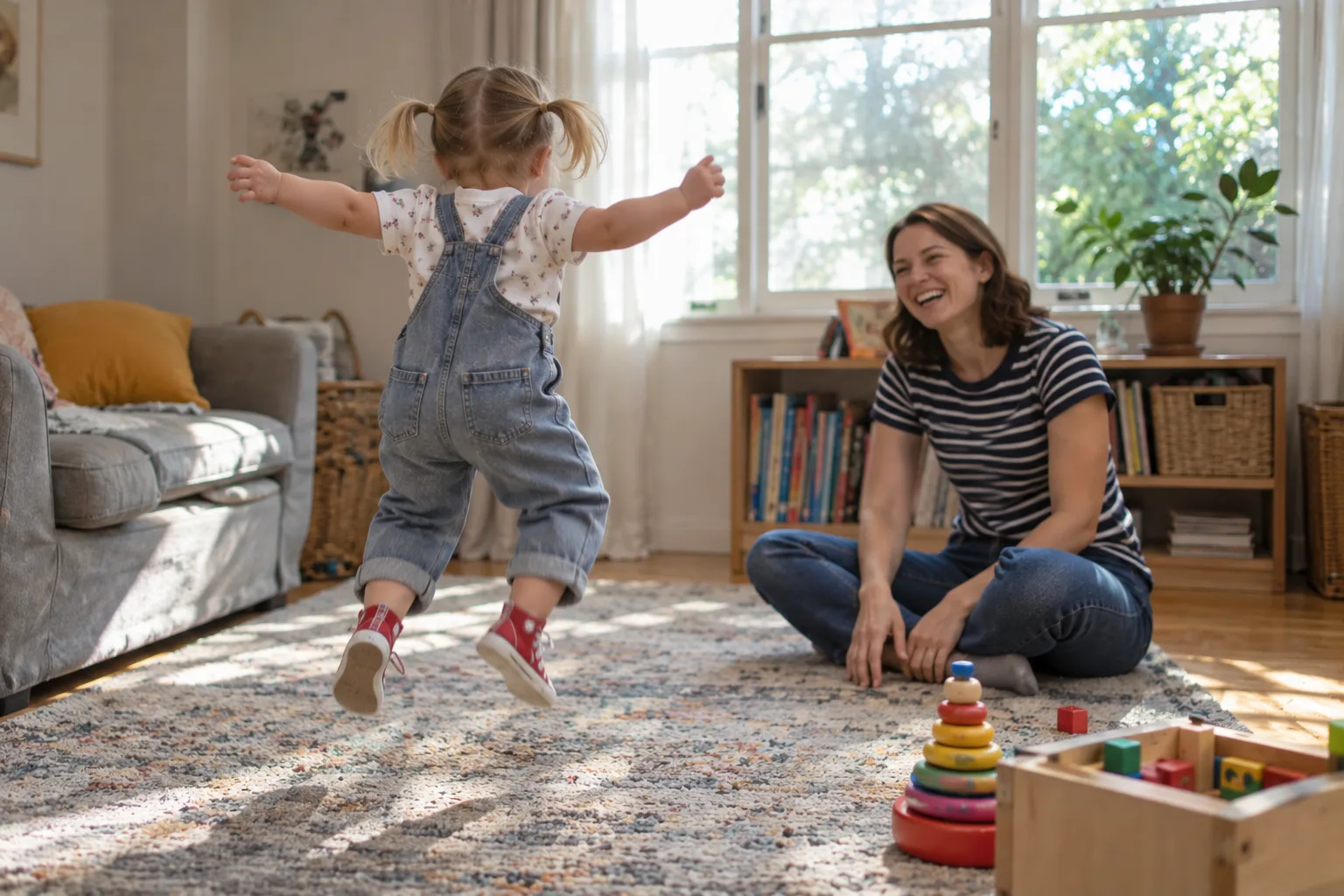
You are on the floor, playing. Your child is giggling, having the best time. And then, smack, right on your arm or your face. You look up, and they are still laughing.
It stings, and it is confusing. They are not angry. Nothing went wrong. So why did they just hit you? And why do they think it is funny? You might also worry about what it means, or whether you should be doing something differently.
What we know, and what we don't
Here is the honest answer first: no study has followed this exact behavior, laughing while hitting, in children aged 2 to 6. So nobody can tell you exactly how common it is at this age, or how long it usually lasts. Anyone who gives you a neat answer is going beyond the evidence.
There are two pieces of research that come close.
Hitting without anger does happen, at least in babies and young toddlers. One study looked at children aged 11 to 24 months, through interviews with 74 mothers and home videos of 26 families. Many of the children's forceful acts, like hitting or pushing, came without any sign of anger or distress. That type of hitting was most common at around 18 months and had dropped by age 2. So this is real, but it is a study of much younger children, and we can't assume the same is true for a four-year-old.
Physical aggression in general tends to rise and then fall. A study of more than 2,000 young children found that hitting and similar behavior became more common during the second year, and started to decline after age 3. That study did not look at laughing or excited hitting in particular, so it only tells us part of the story.
What this means for you: hitting does not always come from anger. But the reasons below are possibilities, not proven explanations.

Why it may happen
Big excitement may spill over into their bodies. Think of how you might grab someone's arm or jump up and down when your team scores. Young children have much less practice at keeping big feelings from turning into big movements. When excitement gets really high, some children may struggle to keep it out of their hands. This is a reasonable idea rather than a tested one, because the research behind it mostly looked at other feelings, not joy.
They may be testing what happens. "If I do this, what will you do?" Young children run experiments on the people around them all day long. A hit can get a big, interesting reaction: a loud "Ouch!", a funny face, everyone's attention. Young children are also still working out that a hit actually hurts. This idea has the most direct support, though it comes from the study of babies and young toddlers.
Rough play may be going too far. Chasing, wrestling and tickling are great fun, and they are good for children. But they move fast, and the line between a playful bump and a real hit is hard to judge when you are three. A game that keeps getting wilder can tip over into hitting before your child notices.
What to watch for
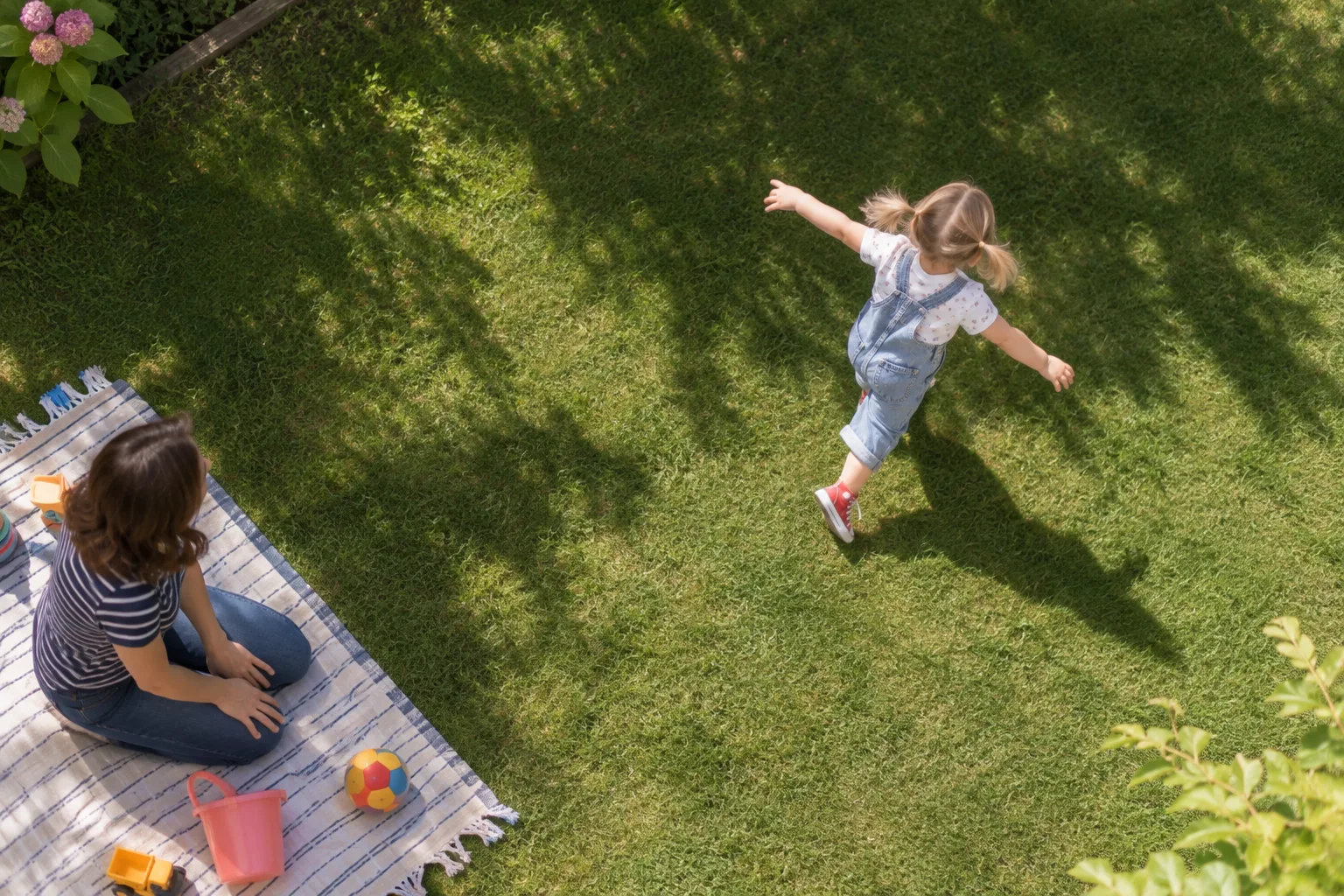
A few days of noticing can tell you which of these seems closest:
- When does it happen? During wild games, when you are tired or distracted, or at the end of a long day?
- What happens just before? Is the game speeding up, or has your attention moved elsewhere?
- Do they look at your face afterward? Watching for your reaction may point towards testing.
- Does it stop when the game slows down? That may point towards excitement or rough play.
- Who gets hit? Mostly you, or other children too?
What tends to help
These are general suggestions from people who work with families. None of them has been tested on laughing or excited hitting specifically, but they are low-risk and worth trying.
Pause the fun, calmly. Stop the game for a moment. Move your hands away, and use a quiet, plain voice: "Ouch. That hurt. I'm stopping for a minute." You are not punishing them. You are showing them that the fun stops when hitting starts. Once they have settled, start playing again, so they get a chance to do it differently.
Give the feeling a name, and the hands a job. "You're so excited! Hands can do a high five." Then hold up your palm.
- High fives, fist bumps or clapping together.
- Jumping on the spot, or stamping feet like an elephant.
- Squeezing a cushion or hugging a big soft toy.
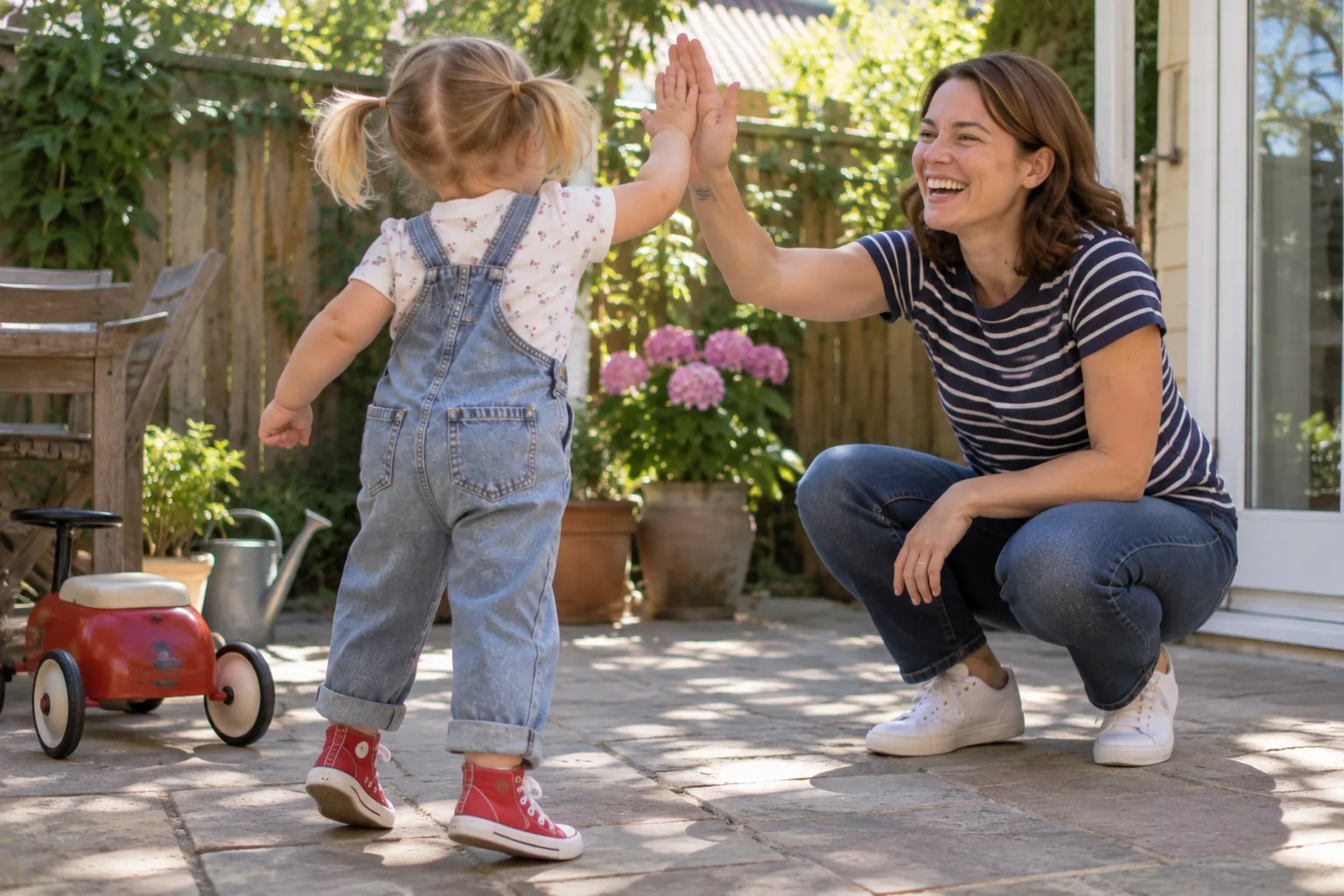
Watch the speed of the game. If hitting tends to come at the top of a wild game, try slowing down a little earlier. Build in natural pauses, like "Ready, steady... freeze!", which also give your child a chance to practise stopping.
Praise gentle hands when you see them. "That was such a gentle high five" tells your child exactly what you would like more of.
What tends to backfire. Getting angry or shouting is completely understandable when you have just been hit in the face. But a big reaction can wind your child up further, and can turn the hit into an even more interesting game. Laughing along can send the same message, so try to keep your face and voice calm and plain.
A note on ignoring. You may read that you should simply ignore hitting. We would not suggest that here. Someone is getting hurt, and your child needs to learn that it matters. A calm pause lets you respond without making it a big drama.
When to look for more support
It is worth talking with your child's doctor or another professional who can see your child in person if:
- the hitting is getting more frequent or harder
- your child or someone else is getting hurt
- your child repeatedly hits one particular child
- your child seems to be trying to hurt others
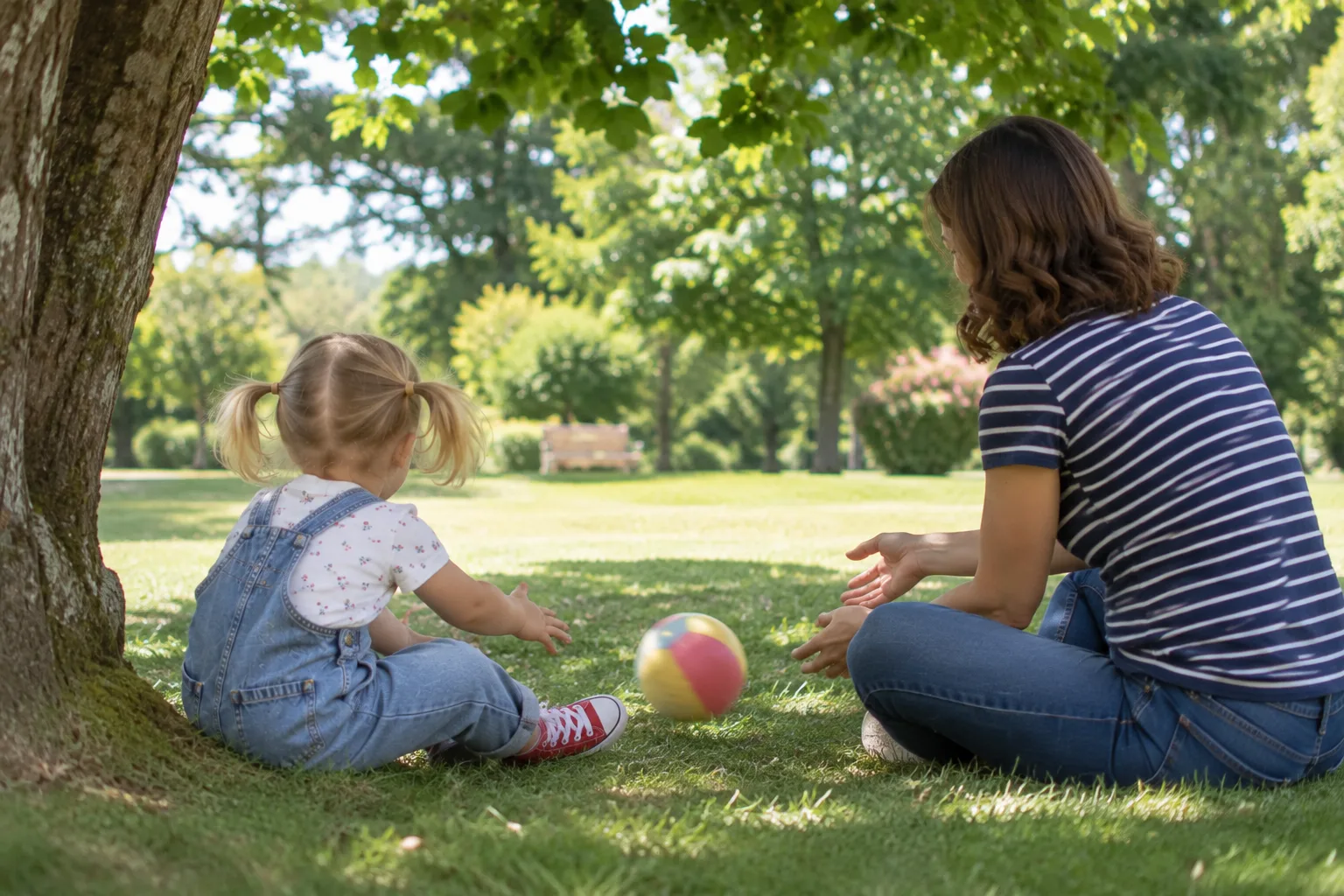
A child who laughs and hits you is not necessarily being mean, and you are not doing anything wrong by feeling hurt and fed up. Each calm pause and each high five is a small lesson in what to do when a feeling gets very big, and that takes a lot of practice.