Why Does My Child Only Help When I Tell Them Exactly What to Do?
They'll do it if you ask, step by step. But they won't notice what needs doing on their own. Why that can be hard, and gentle ways to help at home.
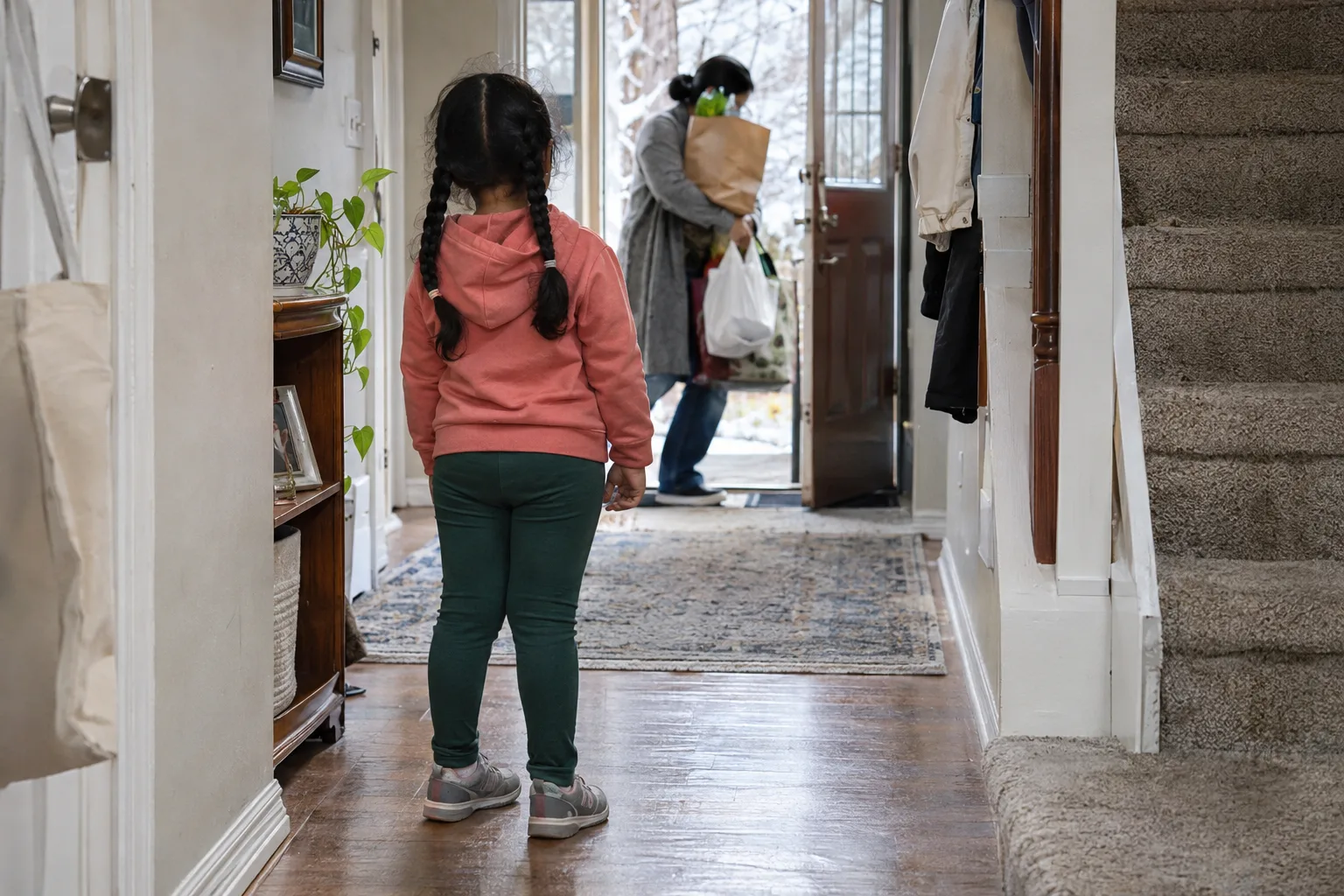
You come through the door with your arms full of shopping bags. Your child is right there in the hallway, watching. You wait for them to grab one, or hold the door, or at least move out of the way. They don't. But when you say, "Can you carry this little bag to the kitchen?", off they go, happy to help.
It happens again and again. They put their shoes on when you ask, but only after you ask. They will tidy the blocks if you say so, but walk straight past the mess otherwise. It can leave you wondering whether they just don't care, or whether you will have to spell out every single thing forever.
First, some reassurance
The fact that your child follows what you ask is a really good sign. It means they understand your words and they want to help. That matters a lot.
Noticing what needs doing without being told is a different skill, and a surprisingly hard one. It takes years to develop, and plenty of grown-ups still need reminding to empty the dishwasher. Young children usually start by helping when asked, and only slowly begin to spot jobs for themselves. Some take longer to get there, and there are things you can do to help.
Why it can be hard
There is a lot to notice. Think of walking into a busy train station for the first time. Signs, announcements, people rushing everywhere. You can see everything, but it takes a while to work out which bit matters to you. A hallway full of bags, coats and a parent talking can be a bit like that for a young child. They may simply not pick out the one thing that needs doing.
Knowing what to do next is its own step. Even when a child notices something, they then have to work out what to do about it, and then get started. "Mum has full hands" has to turn into "I could hold the door", and then into actually walking over. A clear instruction does all of that thinking for them. Without it, the idea may never quite form.
Being too sleepy or too wound up gets in the way. Remember trying to follow a conversation before your morning coffee, or after a long, noisy party. When you are foggy, things wash past you. When you are buzzing, you can't settle on anything. Children have the same ups and downs, and often find it harder to find that comfortable middle where they can take things in. A child who is a bit dozy or a bit overexcited may miss what is going on around them.
Spoken words disappear. A sentence is over the moment you say it. If your child wasn't quite tuned in, it is gone. Things they can see, like a picture, a pointing finger or you showing them, stay put long enough to sink in. Many young children take in what they see more easily than what they hear.
What to look for
A few days of quiet noticing can show you what helps your child most:
- When do they help on their own, even a little? At home, at nursery, with one particular person?
- Are they better at some times of day? After a run around outside, or when things are calm?
- Do they do better when you show them, rather than tell them?
- Are they more likely to miss things when they look tired, or when they are very excited?
- Can they manage a job once they have done it many times before?
What tends to help
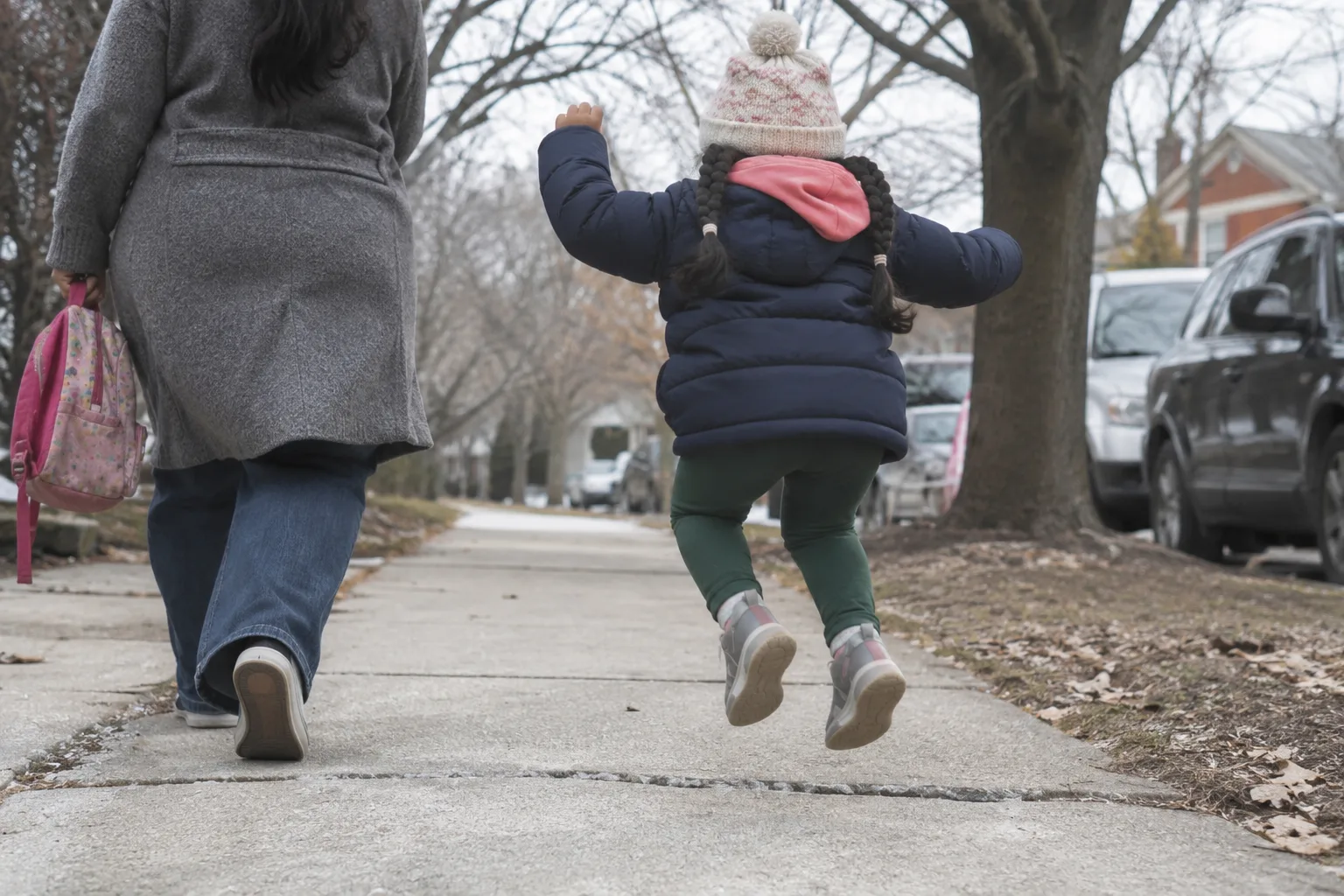
Help them get ready to notice. If your child seems sleepy or far away, a little movement first can help them switch on: jumping, a quick chase, carrying something a bit heavy, or a dance in the kitchen. If they are wound up, try something calming before you ask: a big firm hug, rolling up in a blanket like a burrito, or a quiet minute on your lap.
Show, don't just say.
- Point to what needs doing as you talk about it.
- Do the first bit yourself while they watch, then hand it over.
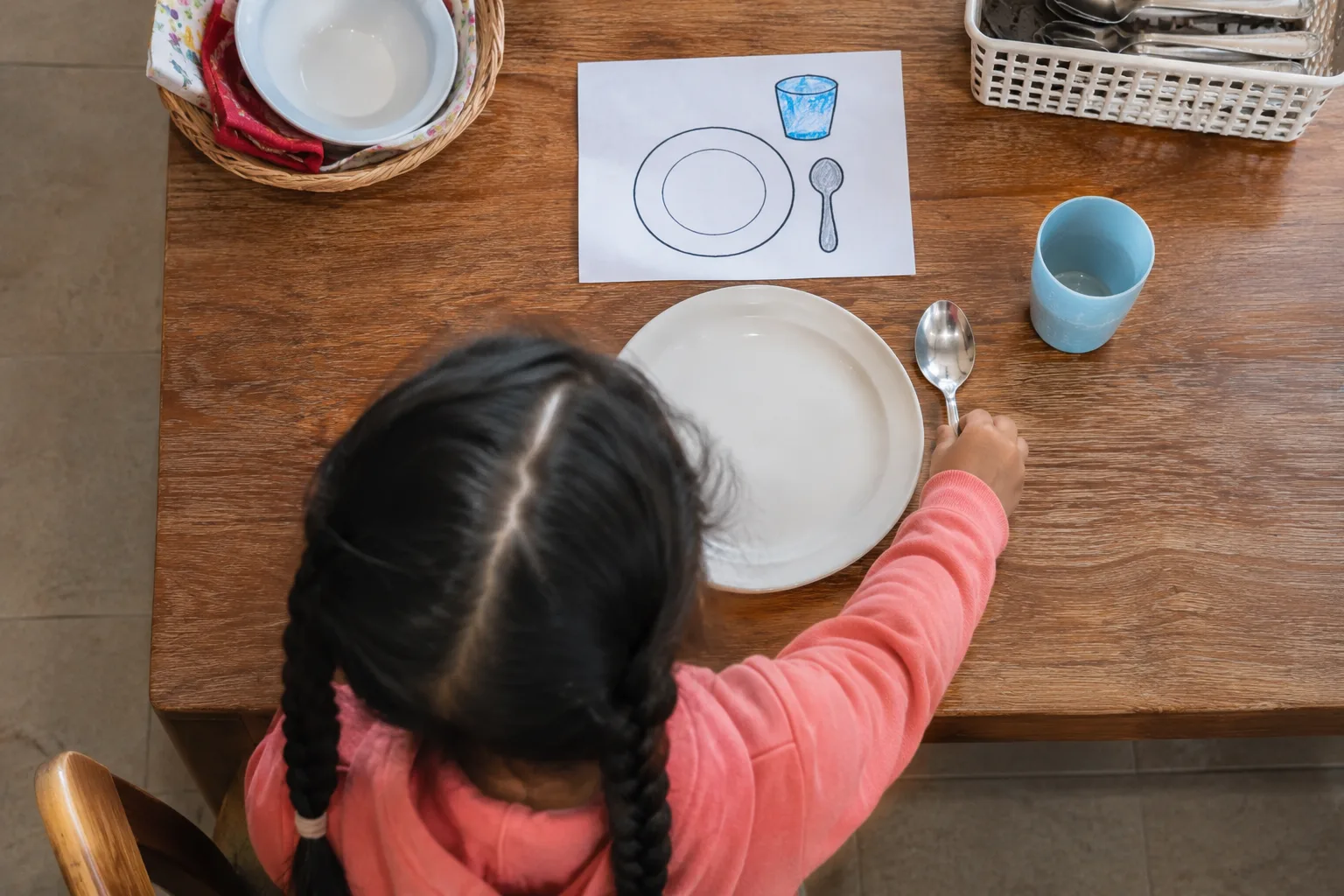
- Use simple picture lists for regular jobs, like getting ready in the morning or setting the table.
- Keep the things you want them to notice in the same place each time.
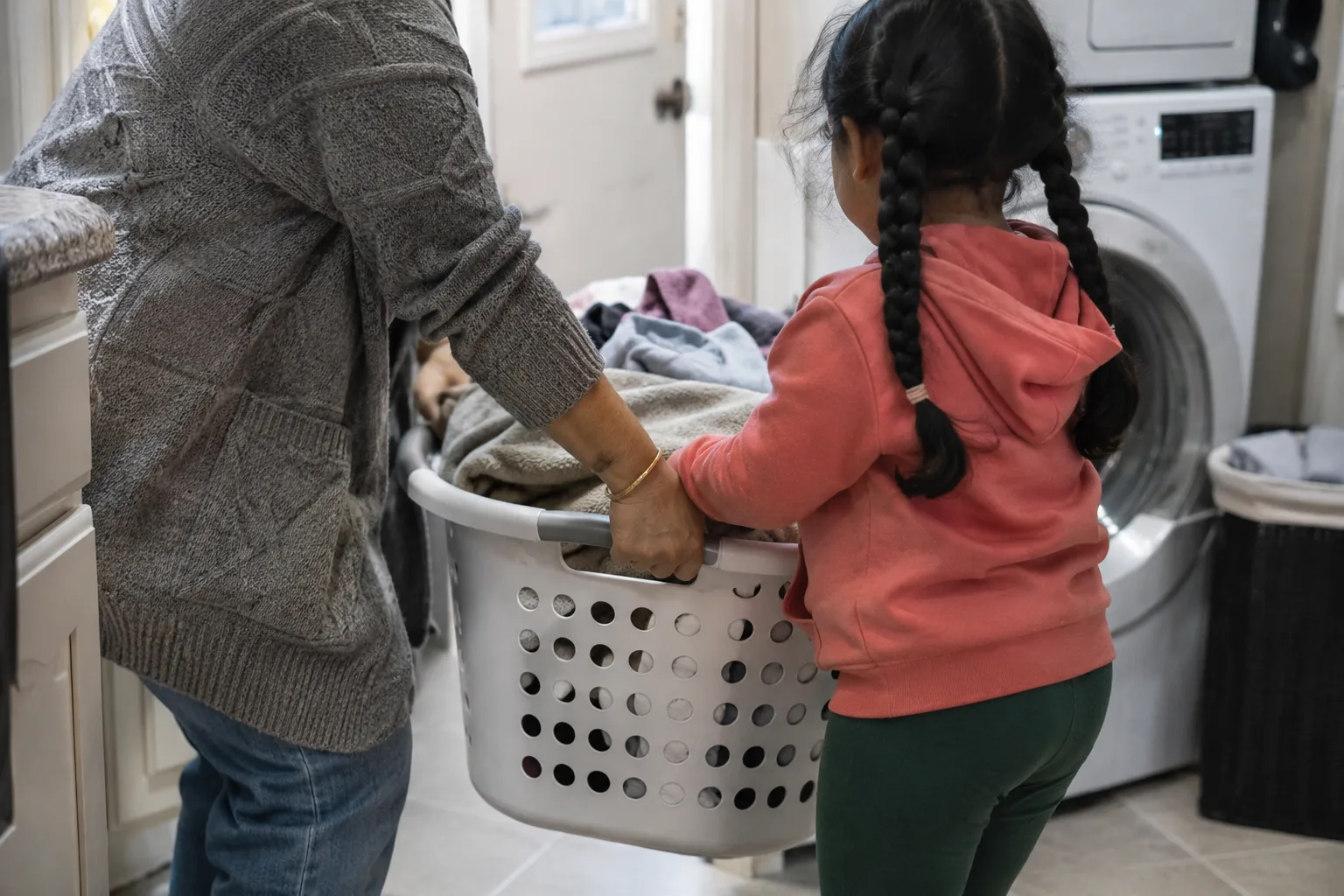
Be really specific. "Can you help?" leaves a lot to work out. "Hold this side of the basket with both hands and walk with me" tells them exactly what to do. If your child is easily distracted, get close, use a clear voice and a gesture to go with your words.
Give helping a regular spot. Children learn a lot from doing the same job in the same way over and over. Choose one or two small jobs that happen every day, like carrying the bread in from the car or putting their cup by the sink. Over time, many children start doing these without being asked, because their body already knows the routine.
Then notice their help, warmly. "Thank you for carrying that bag. That really helped me" tells them that helping matters and feels good. Children who feel useful are more likely to look for ways to help again.
Give them a nudge, not the whole answer. Once a job is familiar, try a smaller hint: "Hmm, my hands are full..." and wait. Give them a moment to work it out before you spell it out.
When to look for more support
It is worth talking with your child's doctor or another professional who can see your child in person if:
- your child struggles to follow even short, simple instructions
- they often seem very sleepy, far away or hard to settle for much of the day
- they get very upset or overwhelmed by changes in the day
- they have stopped doing things they used to be able to do
- you have any concerns about their hearing or sight
- nursery or school staff have shared concerns too

A child who helps the moment you ask already has the most important part: they want to. Noticing what needs doing comes more slowly. With clear words, things they can see, and plenty of the same small jobs, many children start to spot the shopping bags all by themselves.