What to Do When Your Child Hugs Everyone, Even Strangers
Wrapped in her blanket at home, arms around a stranger at the park. Why some kids crave so much squeeze and cuddle, and how to teach safe hugs.
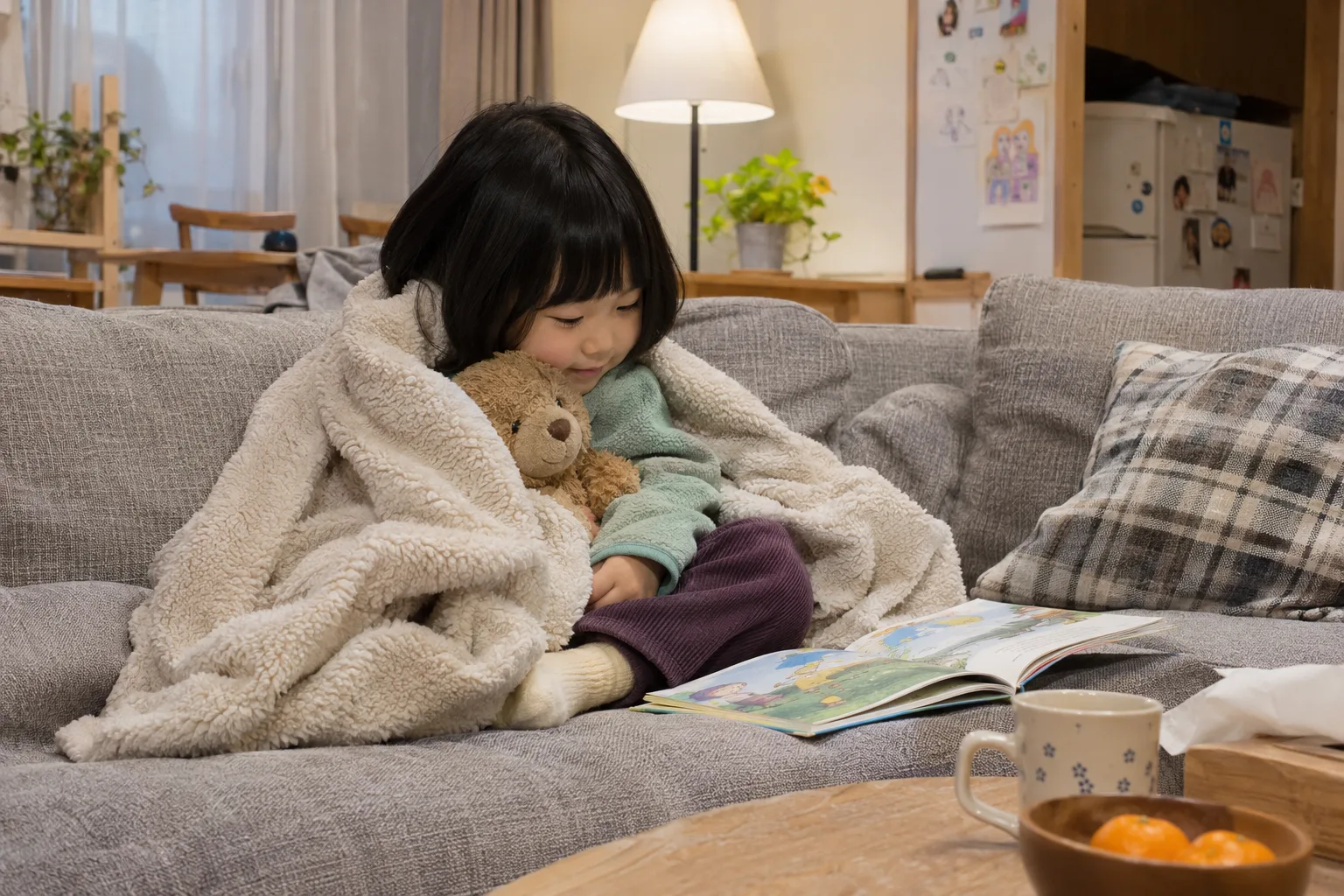
Should a four-year-old still need her blanket this much?
At home it goes everywhere with her, trailing from room to room, wrapped round her shoulders at dinner. The teddy comes too. And when you go out, she'll run up to a lady on a park bench she has never met and throw her arms around her. Most people smile. You still find yourself wondering how long people will find it sweet, and whether you should be stopping it.
These are the questions parents ask most about this, so I'll take them one at a time.
Is this just a phase?
Comfort objects are very common in young children, and plenty of four- and five-year-olds still have a blanket or toy they love. Lots of small children are also very cuddly and quick to make friends. So on its own, none of this is a worry.
What's worth looking at is how much of the day it fills, and whether the hugging is safe. Both of those you can work on without taking anything away from her.
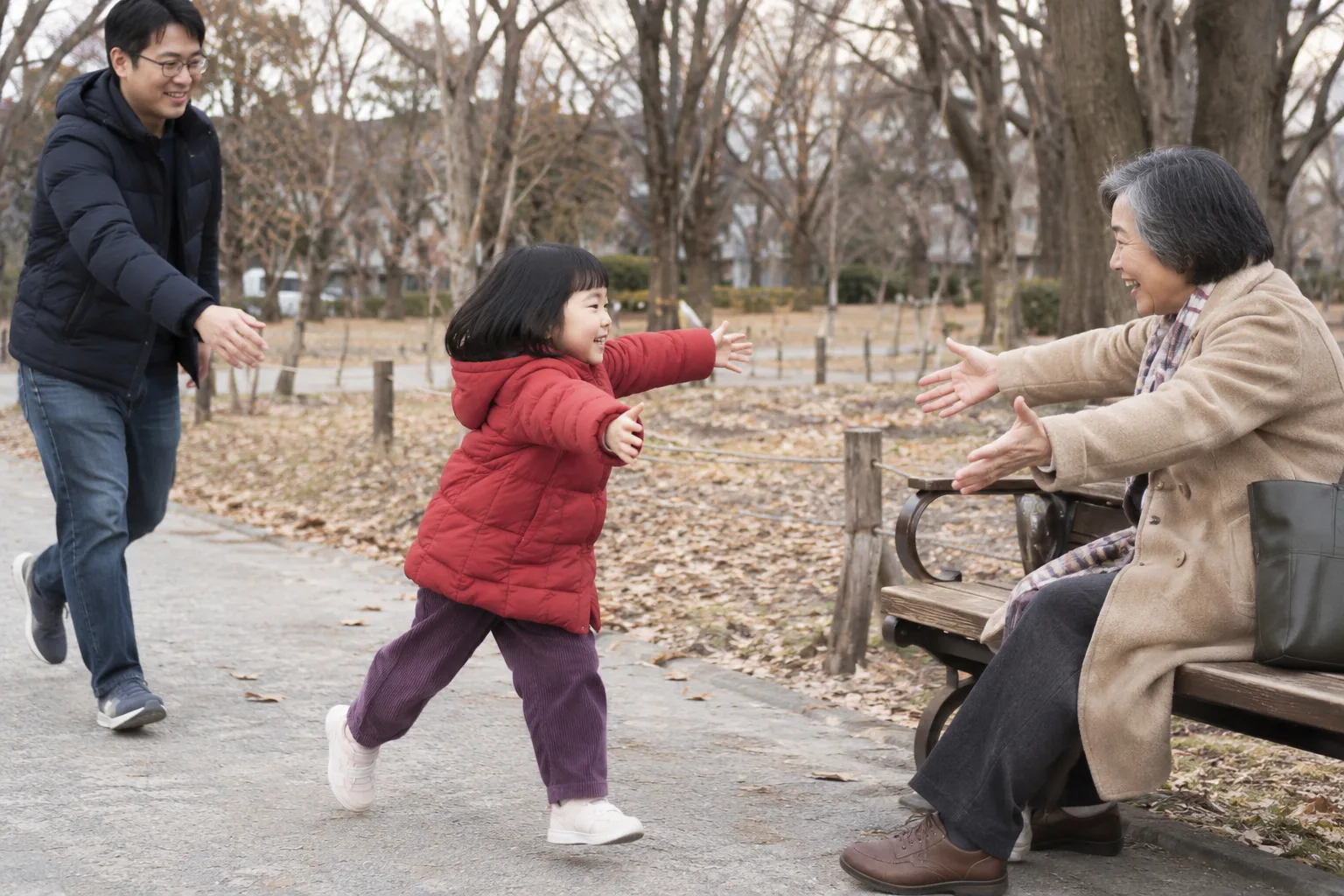
Why does she want so much cuddling and squeezing?
Firm, steady touch can be calming. Most of us know the feeling of a long hug after a hard day, or getting into bed under a heavy duvet. Some children seem to need a lot more of that feeling to settle.
There may be another side to it too. For a child who finds lots of everyday touch unpleasant, like sticky hands, scratchy clothes or someone brushing past, the soft blanket is touch she knows and controls. Holding it may help her feel steady when the rest of the day feels a bit much.
Should I take the blanket away?
I wouldn't. If the blanket is one of her main ways of settling, taking it away usually means more upset, not less. What tends to work better is giving her other ways to get that same feeling, so the blanket becomes one choice among several.
- Make a blanket burrito. Roll her up snugly on the rug and let her wriggle out. She gets a big, all-over squeeze, and it's a game you play together.
- Try a cushion sandwich. She lies between two sofa cushions while you press down gently. Firm pressure all over can feel as good as the blanket, and she can say "more" or "stop".
- Give her heavy jobs. Carrying the shopping bag, pushing the laundry basket, pulling a friend on a blanket. Hard work with the muscles gives a calming feeling of its own.
- Offer bear hugs on request. Agree on a word for "I need a squeeze" and give a proper firm hug when she uses it.
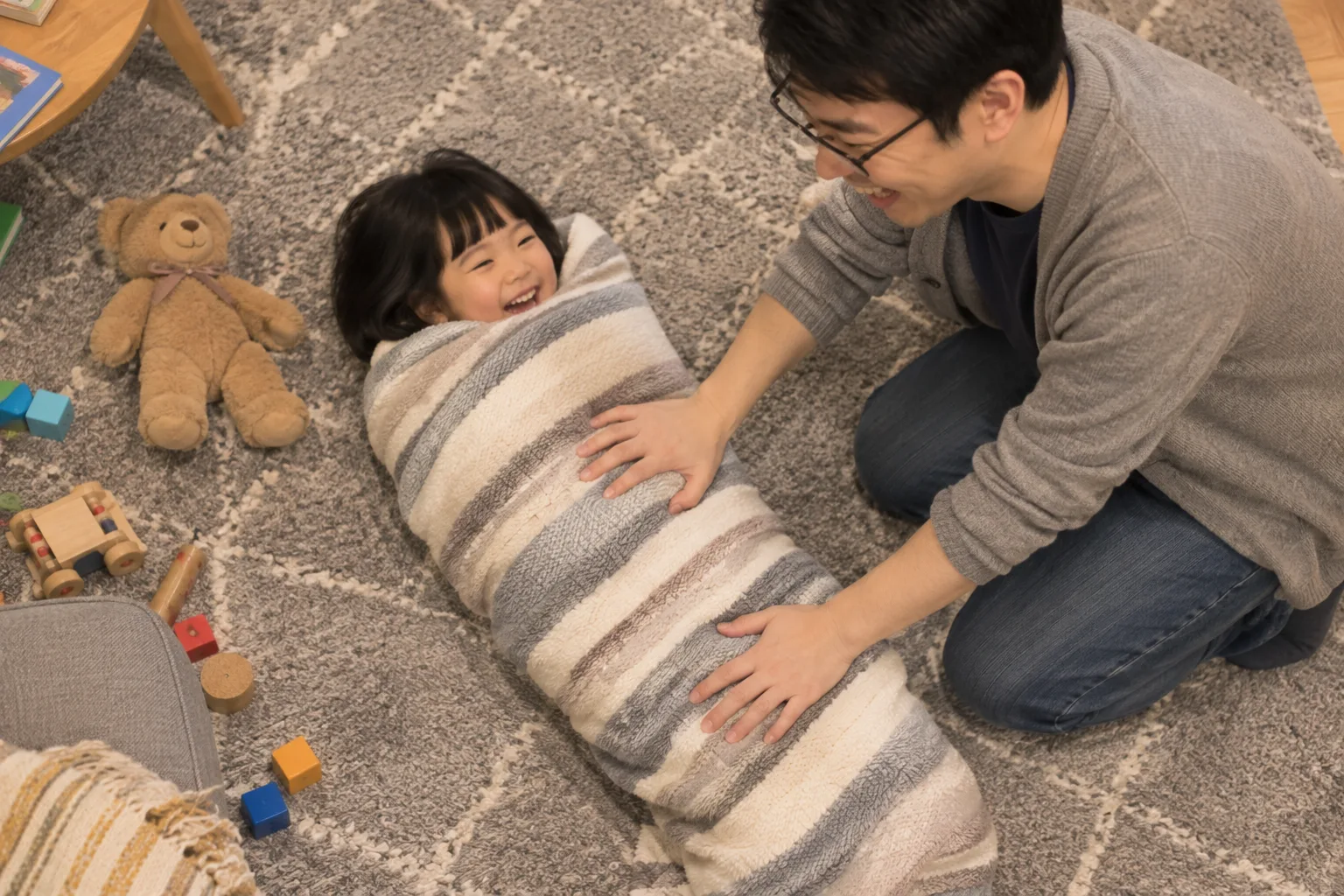
If she won't let go of the blanket for any of these, start with it. Roll her up in her own blanket first. Next time, try a bigger one.
Why does she run up to hug strangers?
To her, a hug just feels good, and a smiling face looks like a friend. Young children are still learning the difference between people they know well and people they've only just seen. That takes time and teaching. It isn't something you've done wrong.
Still, hugging strangers isn't something to leave alone. It's about her safety, and about other people's comfort too.
How do I teach safe hugs?
- Draw a hug circle. On paper, put her in the middle, family close around her for hugs, friends and teachers further out for high fives, and people she doesn't know at the edge for a wave. Keep it on the fridge and talk about it. A picture sticks better than a rule said once.
- Practise before you go out. "If we see someone new at the park, what do we do?" Let her show you the wave. Rehearsing gives her something to do in place of the hug.
- Fill up before you leave. A big squeeze at the door, or a blanket burrito, before an outing may mean she needs less from whoever she meets.
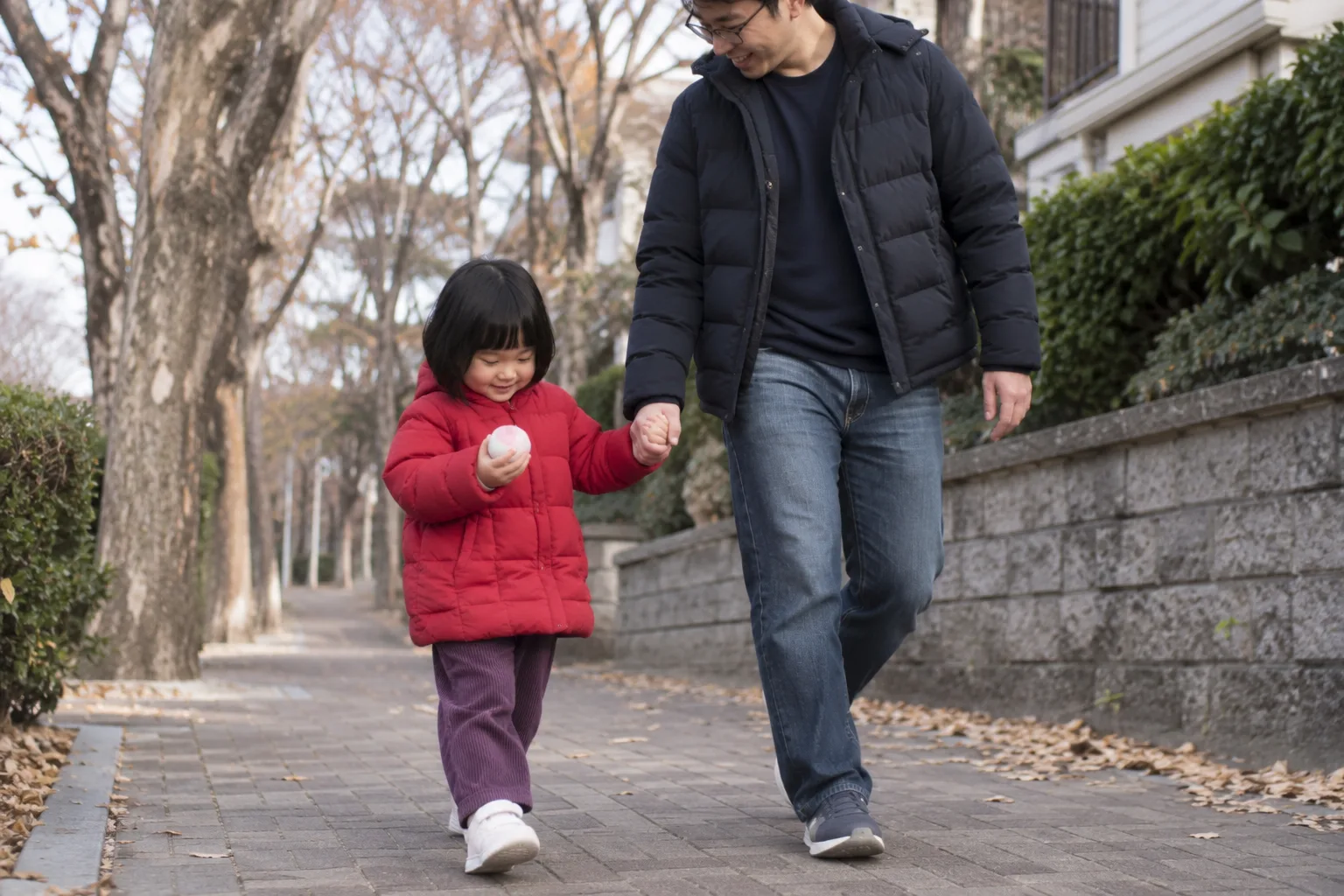
- Give her hands something to hold. A small soft squishy toy in her coat pocket gives her something to squeeze when she feels the urge. She gets the feeling without needing a person.
- Notice when she gets it right. "You waved at that lady. That was just right." Saying it out loud tells her exactly what you want more of.
If she forgets and is already running, stay close and calmly turn her towards you. "Hugs are for me. Let's wave together." Then give her the hug she was looking for.
What can I watch for?
- Does she reach for the blanket mostly when tired, upset or somewhere busy?
- Does she also love rough play, squeezing and being squashed under cushions?
- Is she bothered by sticky hands, scratchy clothes or being bumped into?
- Does the stranger-hugging happen more on busy, tiring days?
- Does a big squeeze before going out change anything?
If you'd like to see how your child responds to touch, sound and movement in everyday life, you can start a free Sensory Portrait. It takes about 6 minutes.
When to look for more support
It is worth talking with your child's doctor or another professional who can see your child in person if:
- she walks off with people she doesn't know, or goes towards them even after lots of practice and reminders
- she can't settle at all without the blanket or toy, and it's getting in the way of nursery or sleep
- everyday touch, like clothes, washing or messy play, upsets her a lot in many parts of the day
- you're worried about her safety when you're out
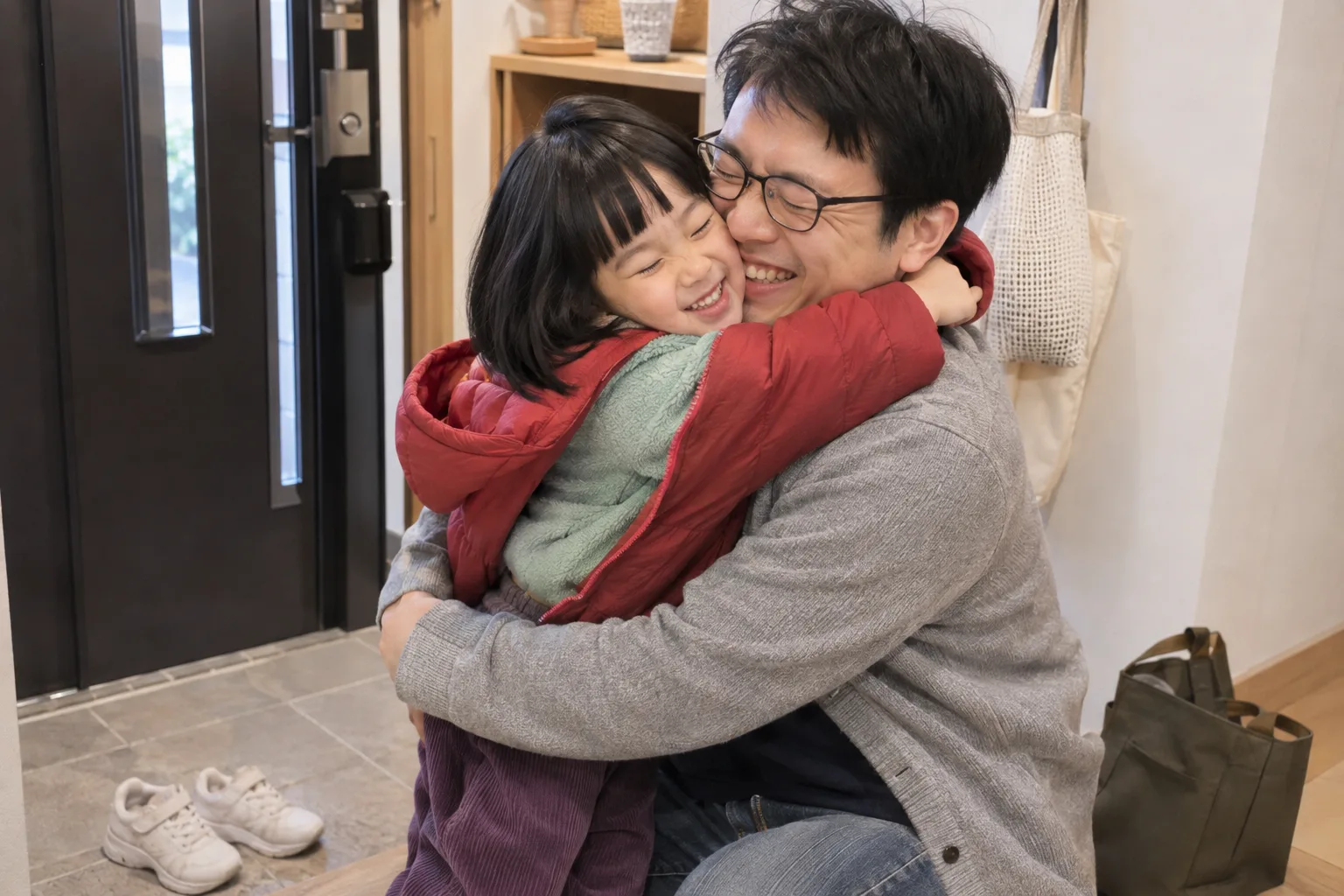
There's nothing wrong with a child who loves to cuddle. She's found something that helps her feel good. The work is in giving her more ways to get that feeling, and a clear idea of where her hugs go.
If you have more questions about your child, leave them for me on Instagram at @sensory_portrait or at help@sensoryportrait.com.