Why Does My Child Keep Staring at Spinning Fans?
The kitchen fan, the washing machine, a ceiling fan. Why some children can watch spinning things for ages, and simple ways to help at home.
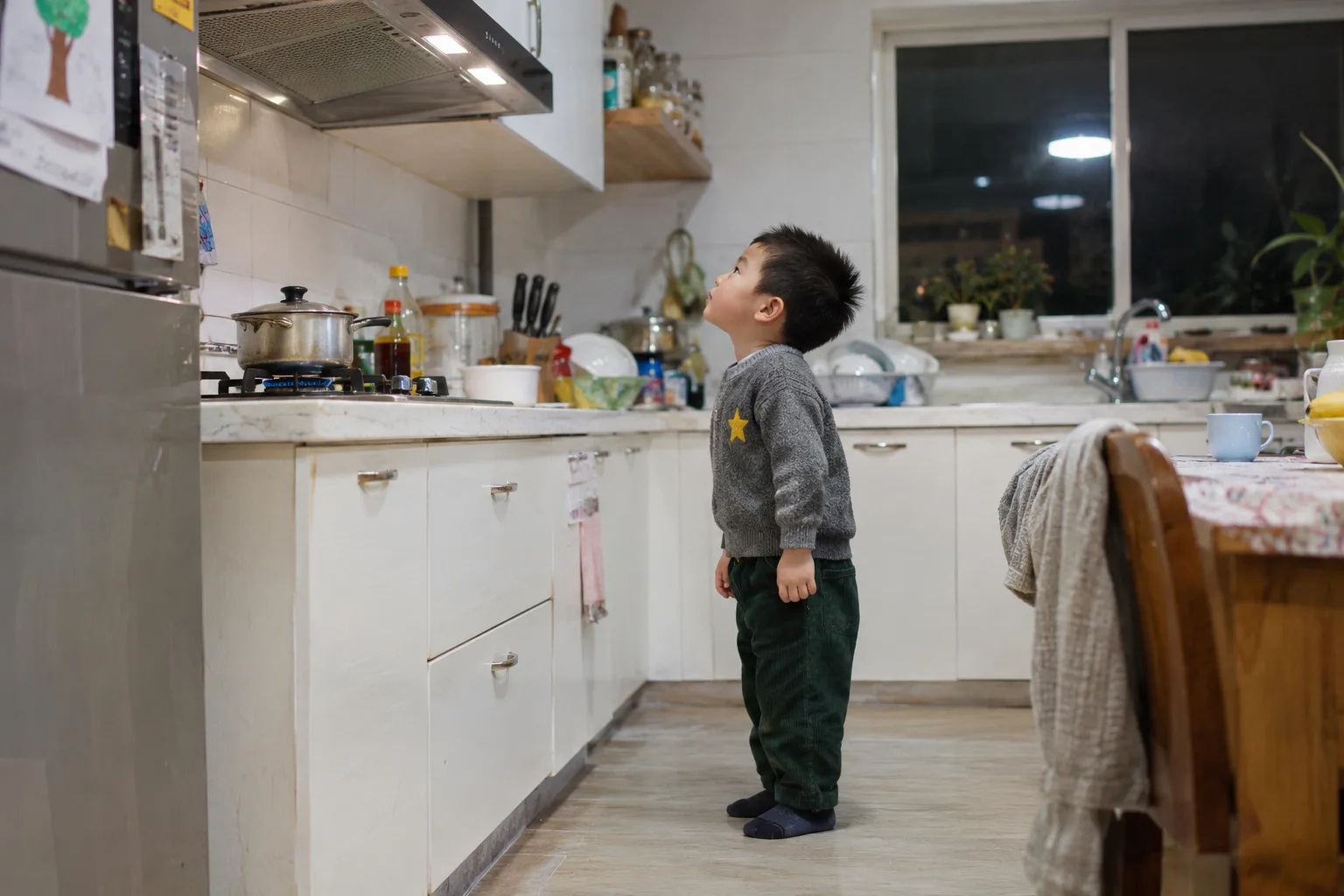
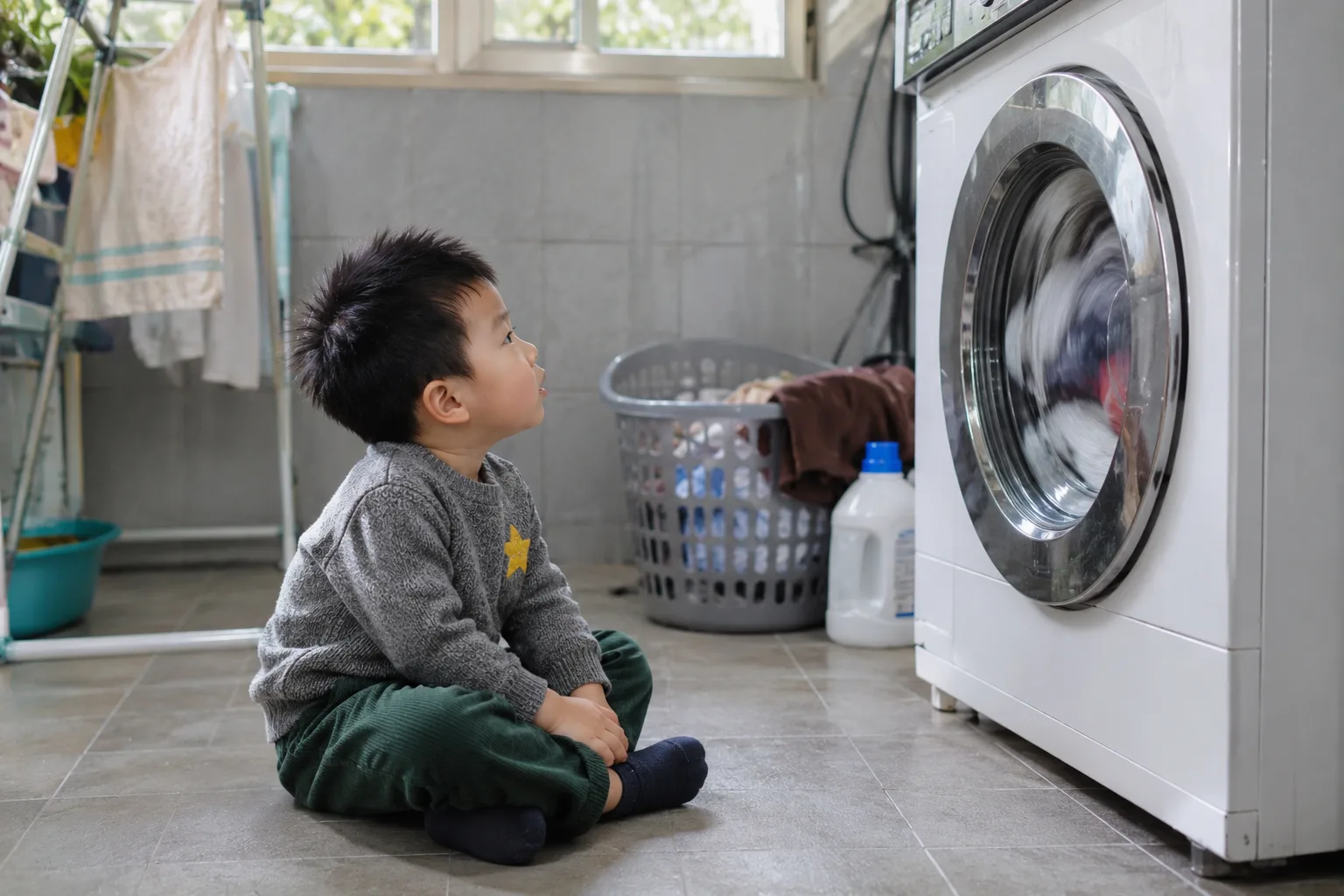
You switch on the fan above the cooker and your three-year-old comes running. He stands underneath it, head tipped back, and just watches. Five minutes later he's still there. Same with the washing machine, the ceiling fan at his grandmother's house, the wheels of a toy car he's turned upside down.
It can be sweet at first. After a while you might start to wonder why this, of all things, holds him so completely.
Plenty of young children find spinning things fascinating. They move, they make a sound, they never stop. On its own, a child who loves watching the washing machine is not a worry. It's still worth understanding what they might be getting from it, because that can tell you what else might help.
What a spinning fan might give a child
Watching spinning can feel a little like spinning. Your eyes and your sense of balance work as a team. When something big moves past you, your body reacts as if you were the one moving. You've probably felt this on a train, when the train next to yours pulls away and for a second you're sure it's you. A fan going round and round may give some children a small taste of that spinning feeling, without having to move at all.
Some children need a lot of movement to feel settled. These are often the children who spin in circles, climb everything and want the swing for as long as you'll push. They seem to need a lot of that strong, whole-body feeling. If getting it through play is hard for them, maybe because climbing frames are still tricky or because it's been a long week indoors, a fan is an easy way to get a bit of it. It's always there, and they don't have to do anything.
It's the same every time. Round and round, the same speed, the same sound. Nothing surprising happens. For a tired or overwhelmed child, that can be restful. Many adults can stare at waves on a beach or flames in a fire for a long time for much the same reason.
A few things to notice
- When does it happen most? When they're tired, bored, overwhelmed, or after a day without much running around?
- Do they also love spinning, swinging or climbing? Or do they tend to avoid those?
- How easily do they come away? Will they leave the fan for a game with you, or is it a struggle?
- Is it a short break, or does it take up a big part of the day?
- Is there less of it on days full of active play?
Things that may help
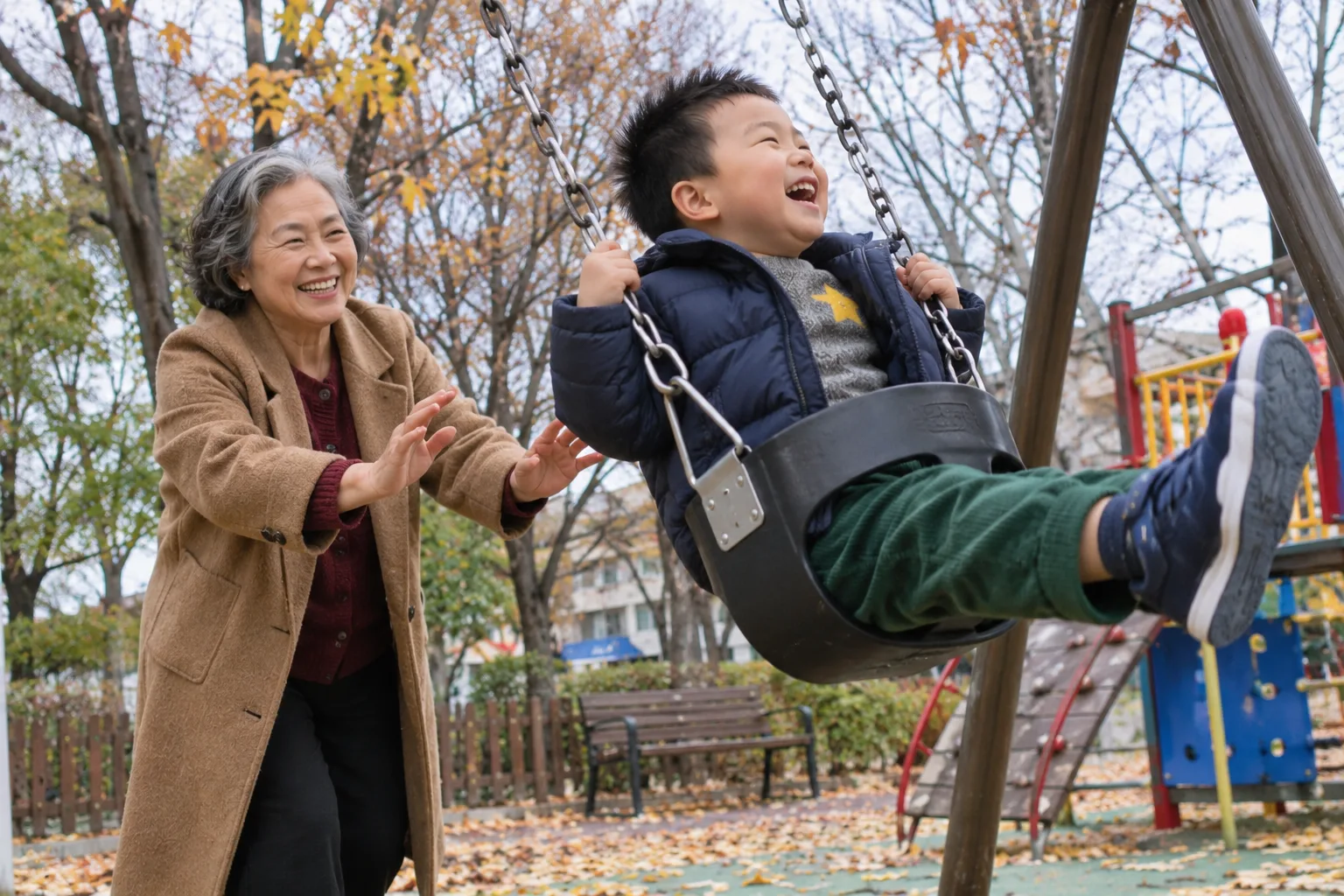
Give them more big movement in the day. Swings, slides, rolling down a grassy slope, climbing, a spinning seat at the playground. If their body is getting plenty of that feeling through play, the fan may not pull at them quite as much.
If playground equipment is still hard for them, start with movement you do together. Rock them on your lap, spin slowly with them in your arms, or let them sit on a sturdy office chair while you turn it gently a few times. They get the feeling without needing the skills yet.
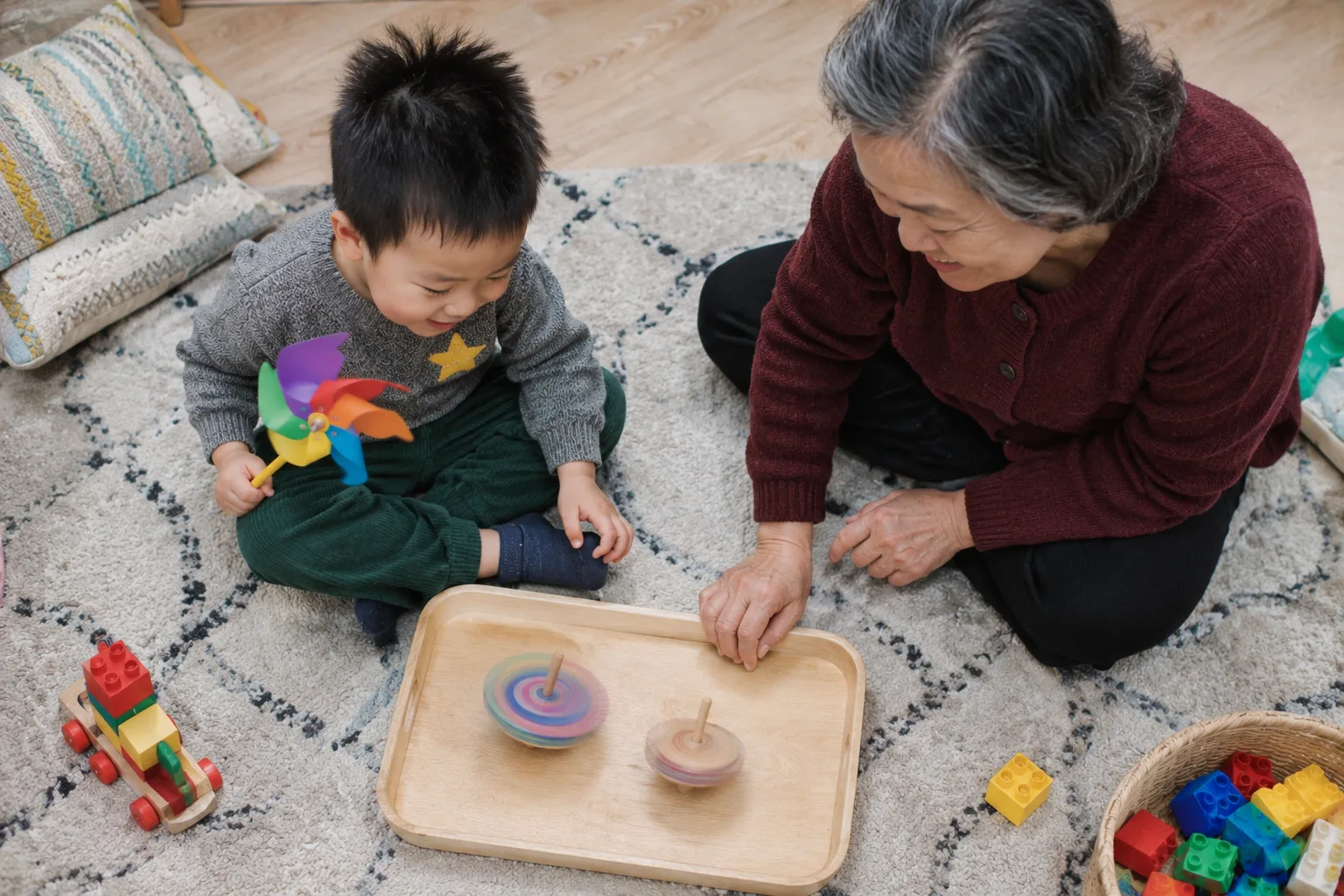
Make spinning something you share. Spinning tops, a pinwheel, a salad spinner with a pom-pom inside, a toy car with wheels to flick. Sit with them, take turns, and talk about what you see. Watching becomes a game with you in it, and games are easier to end.
Give them a heads-up and a next thing. "Two more turns of the washing machine, then let's go and find the pinwheel." Leaving something they love is easier when there's something to go to.
If it seems to be a way to rest after a busy day, let it be one sometimes. You can also offer other calm things that are the same each time, like a snow globe, a sand timer or a bubble tube, so the fan isn't the only one.
Keep it safe. Use fans with guards, keep small fingers away from moving parts, and move stools away from high-up vent fans so watching doesn't turn into climbing.
If you'd like to see how your child responds to movement, touch and sound in everyday life, you can start a free Sensory Portrait. It takes about 6 minutes.
When to look for more support
It is worth talking with your child's doctor or another professional who can see your child in person if:
- watching spinning things takes up a large part of most days
- it's very hard to interest them in people or play once they've started
- it comes with other worries, about how they're talking, playing or getting along with others
- they seem unaware of danger while watching, such as reaching for moving parts
- they've stopped doing things they used to do

Something about that turning fan is working for your child. It might be the feeling of movement, the calm of something that never changes, or both. Swings, pinwheels and a bit of shared spinning can give them more of the same in ways that pull them towards you.
If you have more questions about your child, leave them for me on Instagram at @sensory_portrait or at help@sensoryportrait.com.