My Child Wants to Wear the Same Shirt Every Day: What May Be Going On
A faded red star shirt, back on the minute it's out of the wash. Why the same top can matter so much, and ways to make mornings less of a tug of war.
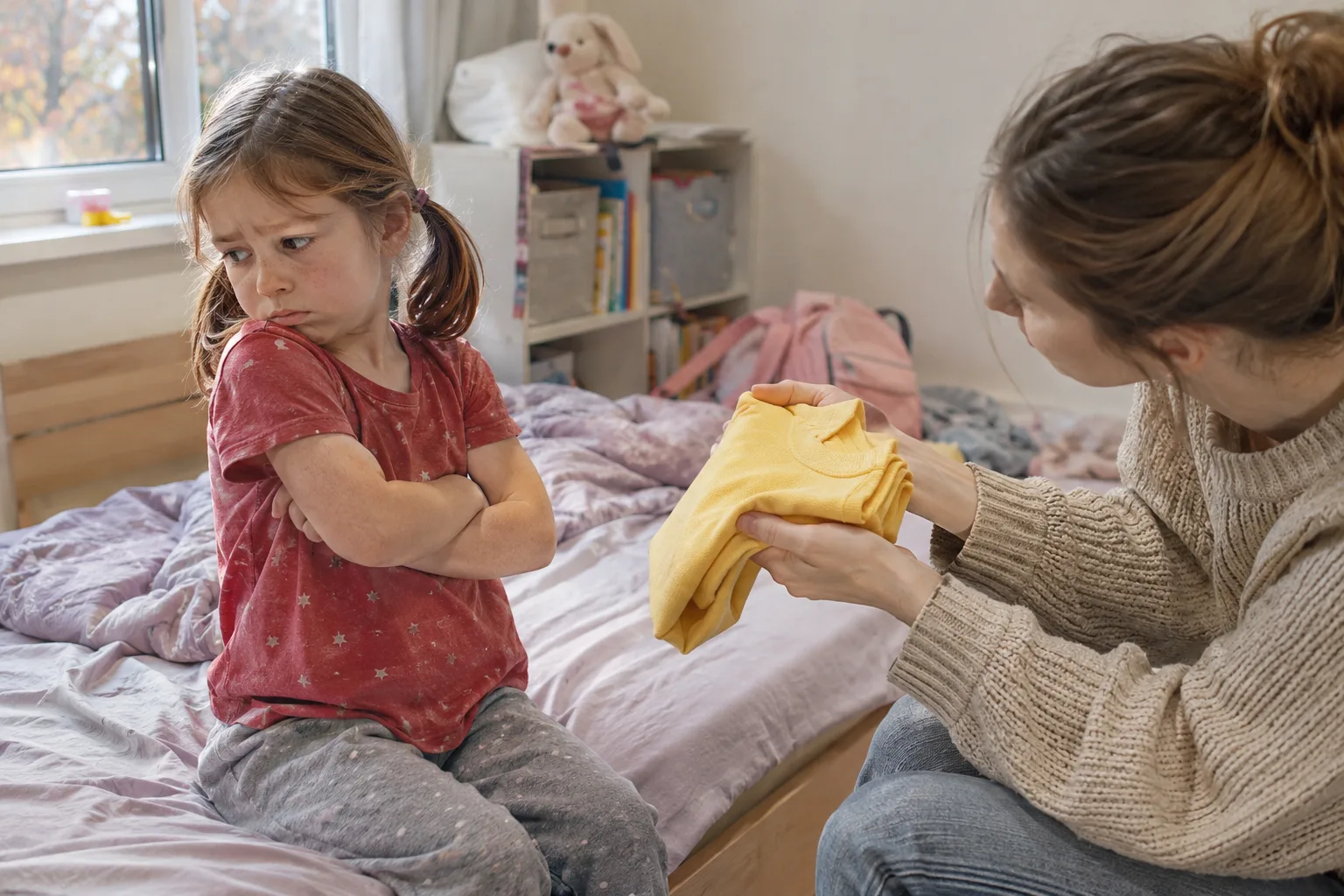
"The star one." Every morning, the same three words, before you've even opened the drawer.
The star shirt is faded now, a little stretched at the neck. It goes in the wash at night and is back on by breakfast. The new tops you bought sit folded, tags still on. Offer one and you get a pout and a turned shoulder.
Nobody has counted how many young children insist on one particular shirt. What we do know is that wanting things the same way, the same cup, the same order, the same song, is common in the toddler and preschool years. Within that, there can be quite different reasons for clinging to one shirt. I'm going to describe two children.
The first child: the same shirt makes the day feel safe
She's five. It isn't only the shirt. She wants the green cup at breakfast, the same story at bedtime, the same route to nursery. When something is the same, she settles. When it changes without warning, she gets cross and stuck.
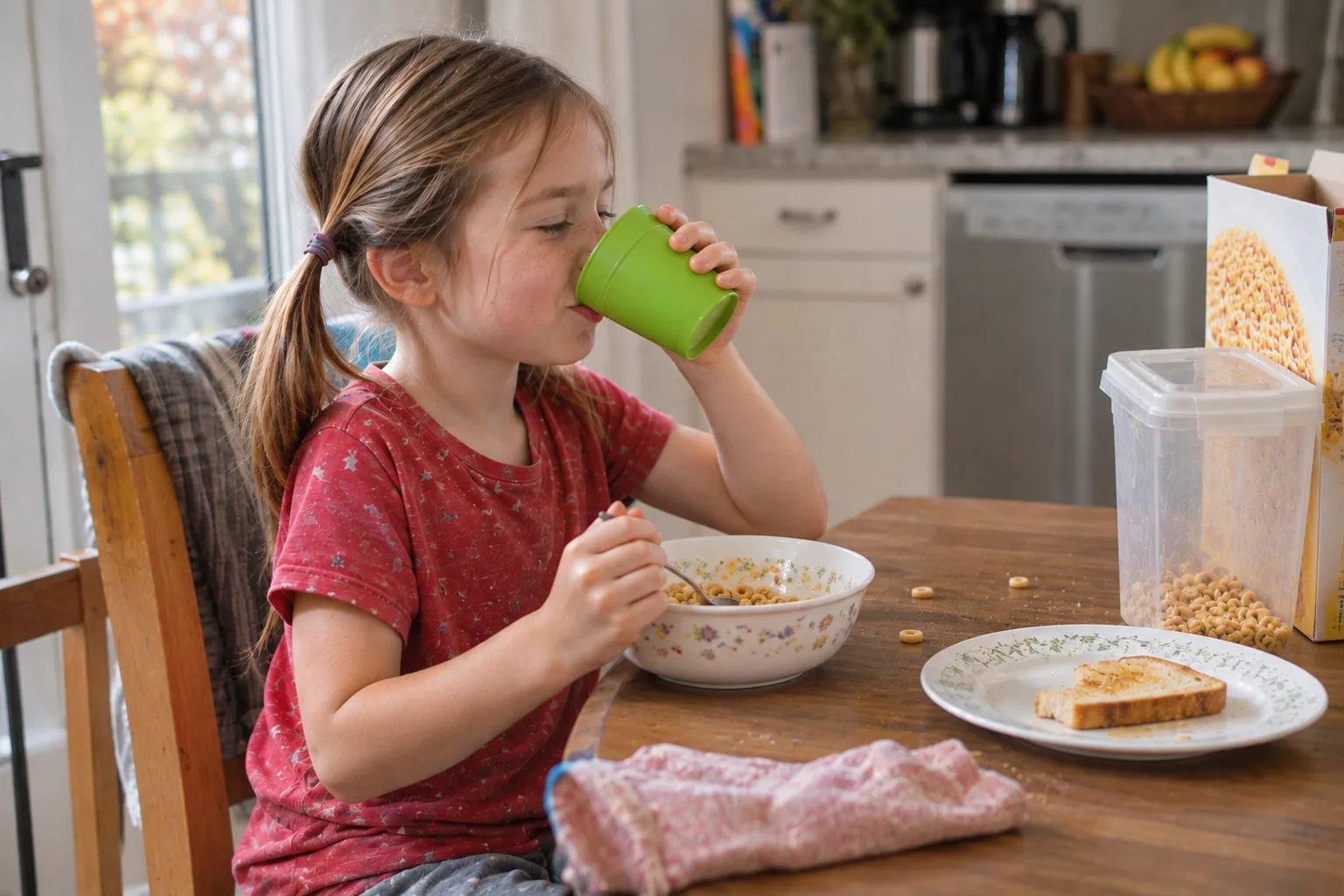
For some children, sameness is a way of feeling steady. A day for a five-year-old is full of things they don't control: drop-off, new faces, a change of plan. The shirt is one thing they can count on. You may notice it gets stronger on busy weeks, before a trip, or when something new is coming.
There's some research behind this. A large parent survey of nearly 1,500 children, from babies to six-year-olds, found that these "just so" habits, wanting the same order and the same things, were common in toddlers and preschoolers. A smaller study found they tended to turn up alongside the fears that are usual at that age, like shyness with strangers and worry about being apart from a parent. Another followed children from toddlerhood to around six and found that how much a child likes sameness tends to hold fairly steady. Some children are simply more that way, and that's part of who they are.
So for a child like her, give her a choice the night before. Lay out two tops on the bed, both ones you're happy with, and let her pick. In the morning there's no surprise waiting for her, and she's had a say in it.
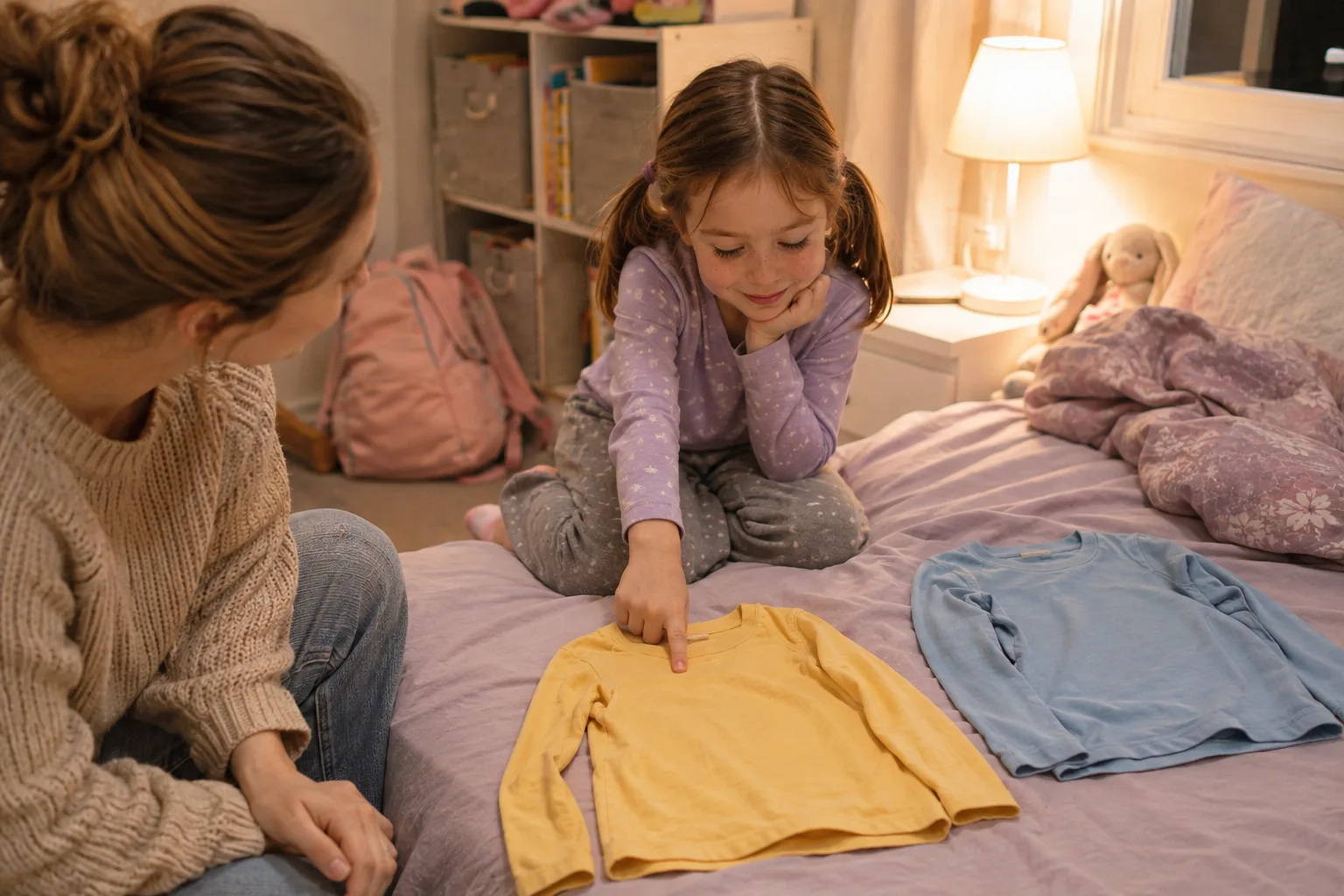
If two new options feel like too much, make one of them the star shirt. Choosing it is still a choice, and the other top gets a little more familiar every time she sees it lying there.
The second child: the other clothes feel wrong
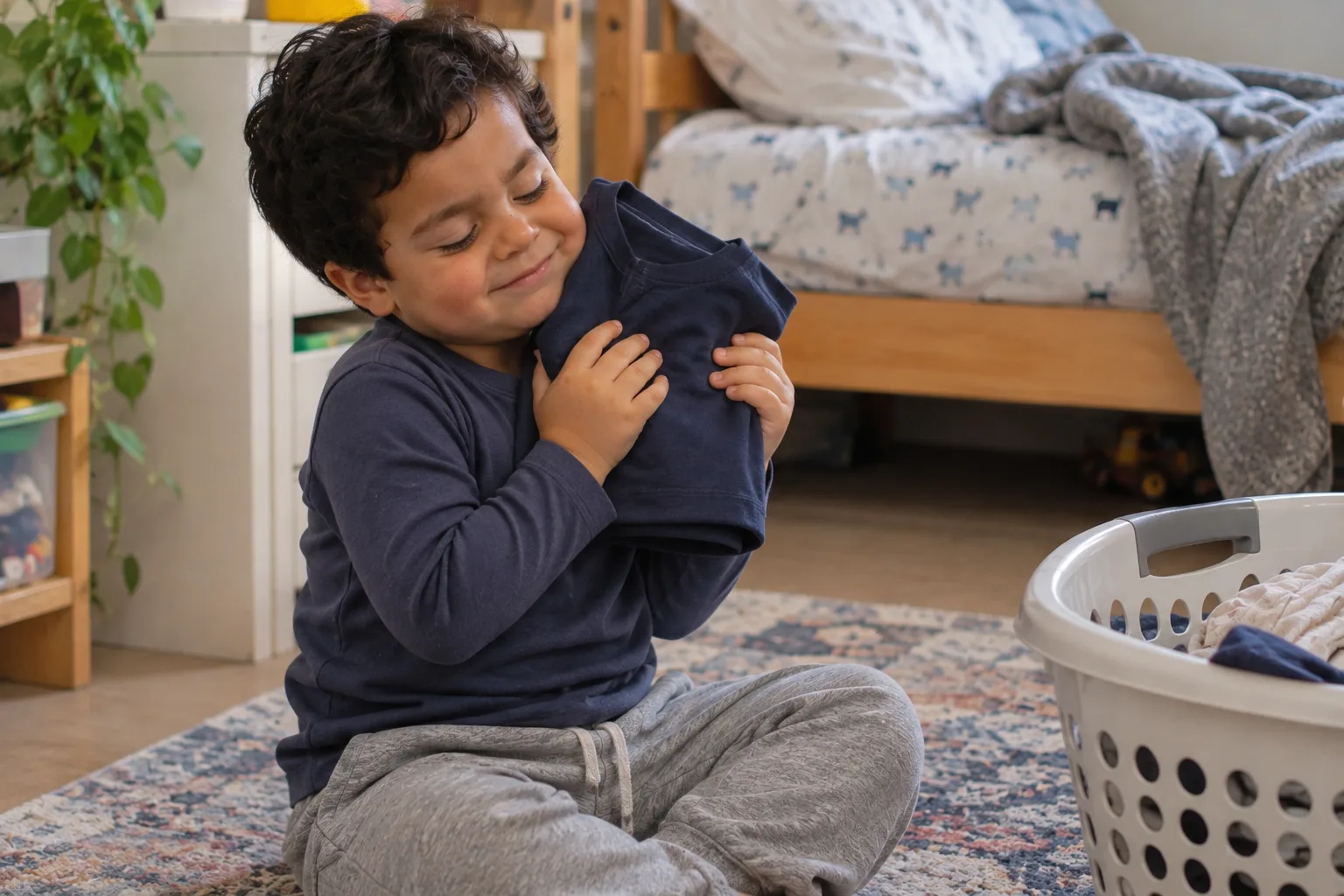
He's four. He doesn't mind a new route to the park, and a different breakfast is fine. Clothes are another story. He pulls at the collar of a new shirt, tugs at the sleeves, and scowls. Then he goes and finds the soft navy top he always wears.
For some children, other clothes may simply feel scratchy, stiff or tight in a way that's hard to ignore. Labels, seams and the stiffness of brand-new fabric can all bother them. The favourite shirt has been washed so many times it's gone soft. Sensitivity to how things feel is well known. The link with wanting one shirt hasn't been studied much in children in general, though, so treat this as a possibility.
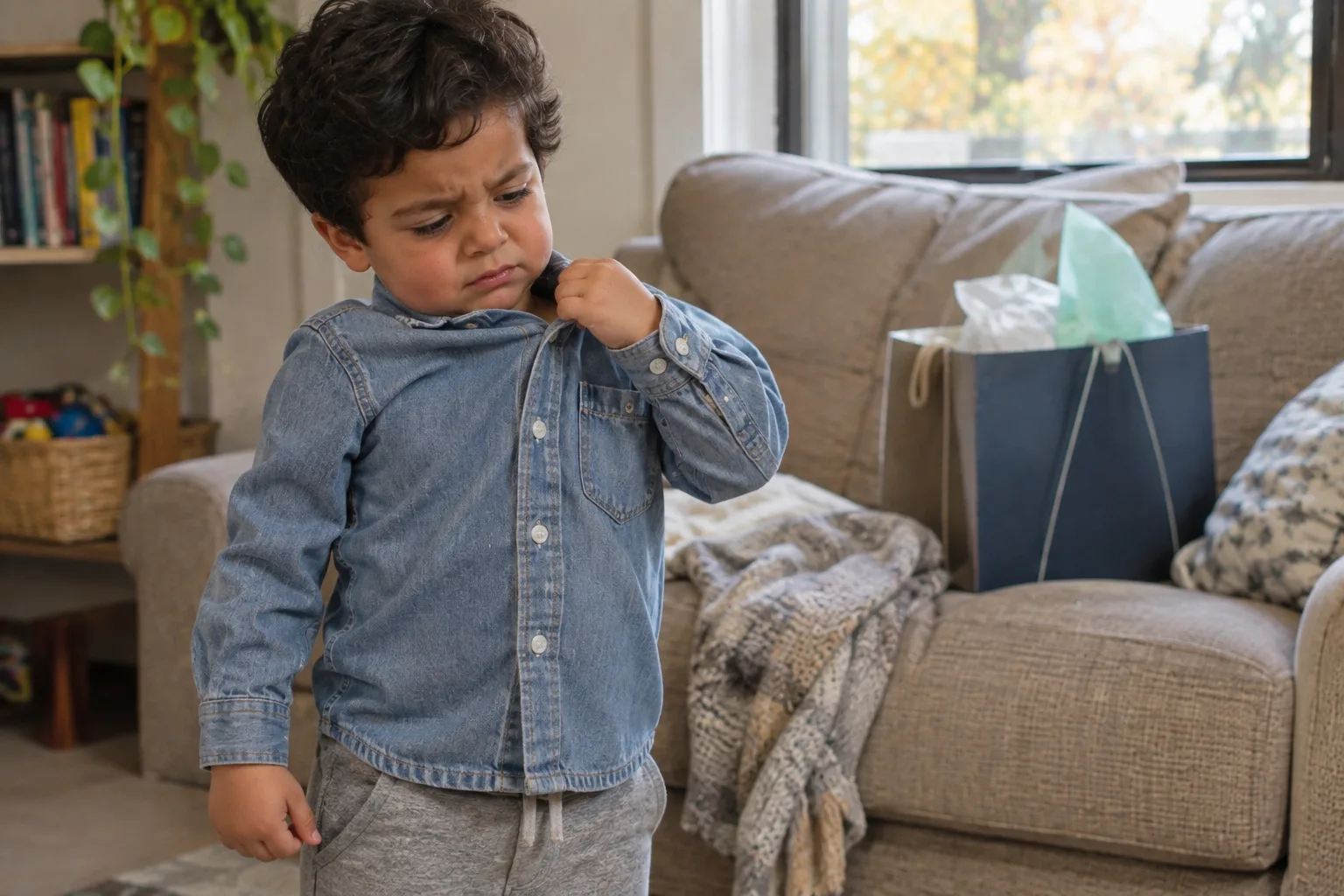
So for a child like him, buy a second top in the same soft fabric. Then on washing day he still gets the feeling he's after.
Cut out labels, or look for clothes printed on the inside instead. Turning a top inside out can hide a scratchy seam.
If he won't try anything new at all, start with things that touch less skin, like a new pair of socks or a hat, and let him feel them with his hands first.
For both children
- Wash new clothes a few times before offering them. Some parents find this takes the stiffness out, and the clothes smell like home.
- Try not to force a sudden change on a rushed morning. A fight at the door tends to take longer than the shirt would have.
- Don't always give way, either. If every change is avoided, there's never a chance to practise a small one. Somewhere in between usually works, like the favourite shirt on school days and a choice of two on weekends.
Which one sounds like your child?
- Is it only the shirt, or do they also want the same cup, route or bedtime story?
- Is it worse on busy days or before something new?
- Do they pull at collars, sleeves or labels on other clothes?
- Are they fine with a change of plan, as long as the clothes feel right?
- Does a well-washed second-hand top go down better than a brand-new one?
If you'd like to see how your child responds to touch, sound and movement in everyday life, you can start a free Sensory Portrait. It takes about 6 minutes.
When to look for more support
It is worth talking with your child's doctor or another professional who can see your child in person if:
- wanting things exactly the same spreads beyond clothes into many parts of the day
- small changes lead to crying or upset that's very hard to settle
- it's getting in the way of nursery, school or family life
- they refuse clothes that keep them safe, like a coat on a cold day
If you have more questions about your child, leave them for me on Instagram at @sensory_portrait or at help@sensoryportrait.com.