Why Does My Child Keep Rocking on Their Chair and Getting Up in Class?
Reminded again and again, yet still tipping the chair and leaving the seat. Why telling off rarely works, and how to work with the teacher to help.
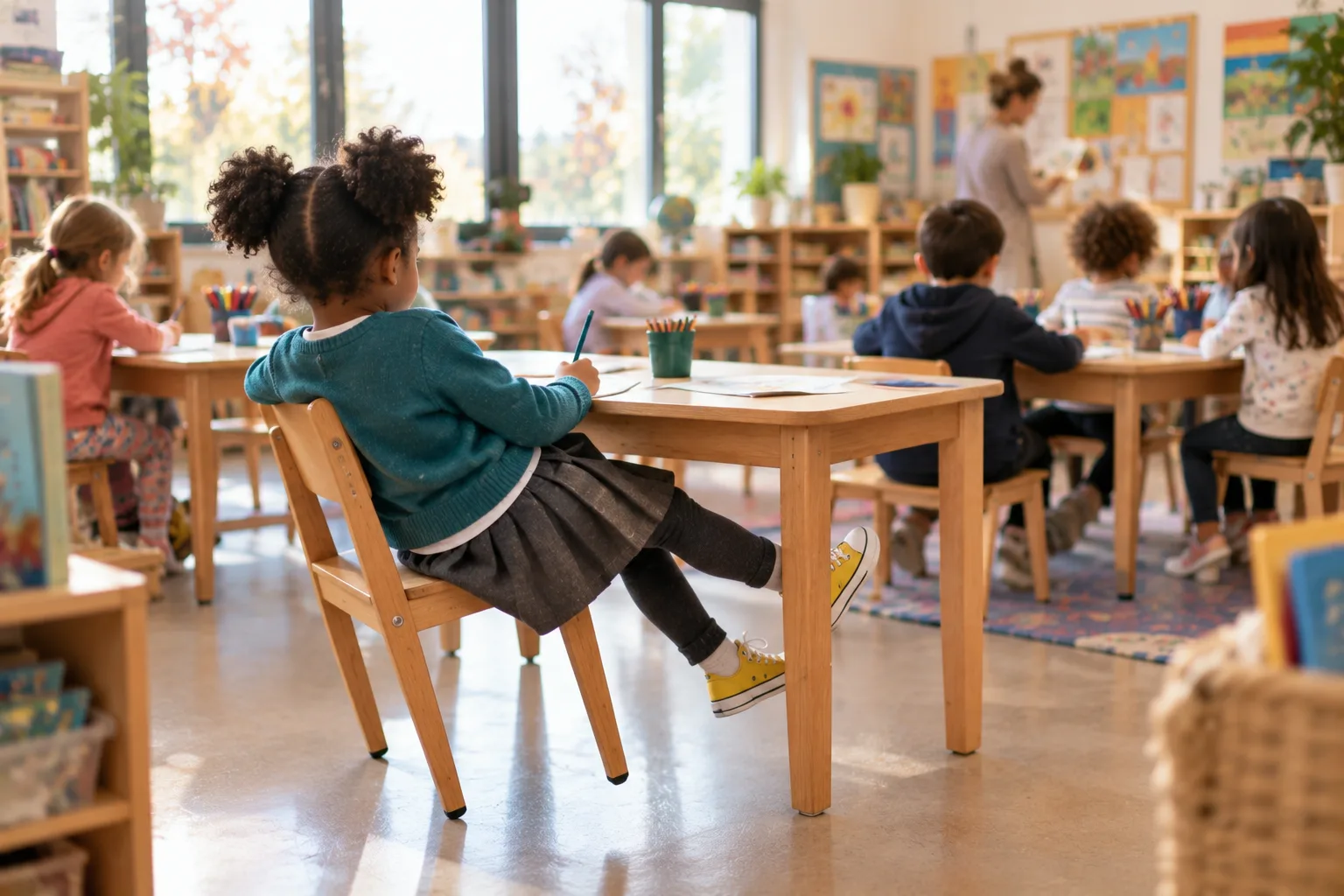
The teacher catches you at pick-up, again. "We had a bit of a wiggly day." Your child tipped back on their chair until it nearly went over. They got up to sharpen a pencil that did not need sharpening. They wandered over to the window during number time. They were reminded, kindly, many times. And five minutes later, they were doing it all over again.
On the way home you ask what happened, and your child shrugs. "I don't know." The strange thing is, they probably really don't.
First, some reassurance
Sitting at a table for a long stretch is a big ask for a young child, and it is a skill that takes years to build. Many children in their first years at school wriggle, rock, kneel on their chairs and find reasons to get up. It usually gets easier as their bodies get stronger and the school day becomes familiar.
It also rarely means your child is being naughty or does not care. Most children who keep getting told off would love to get it right. They simply cannot hold on to the instruction and hold their body still at the same time.
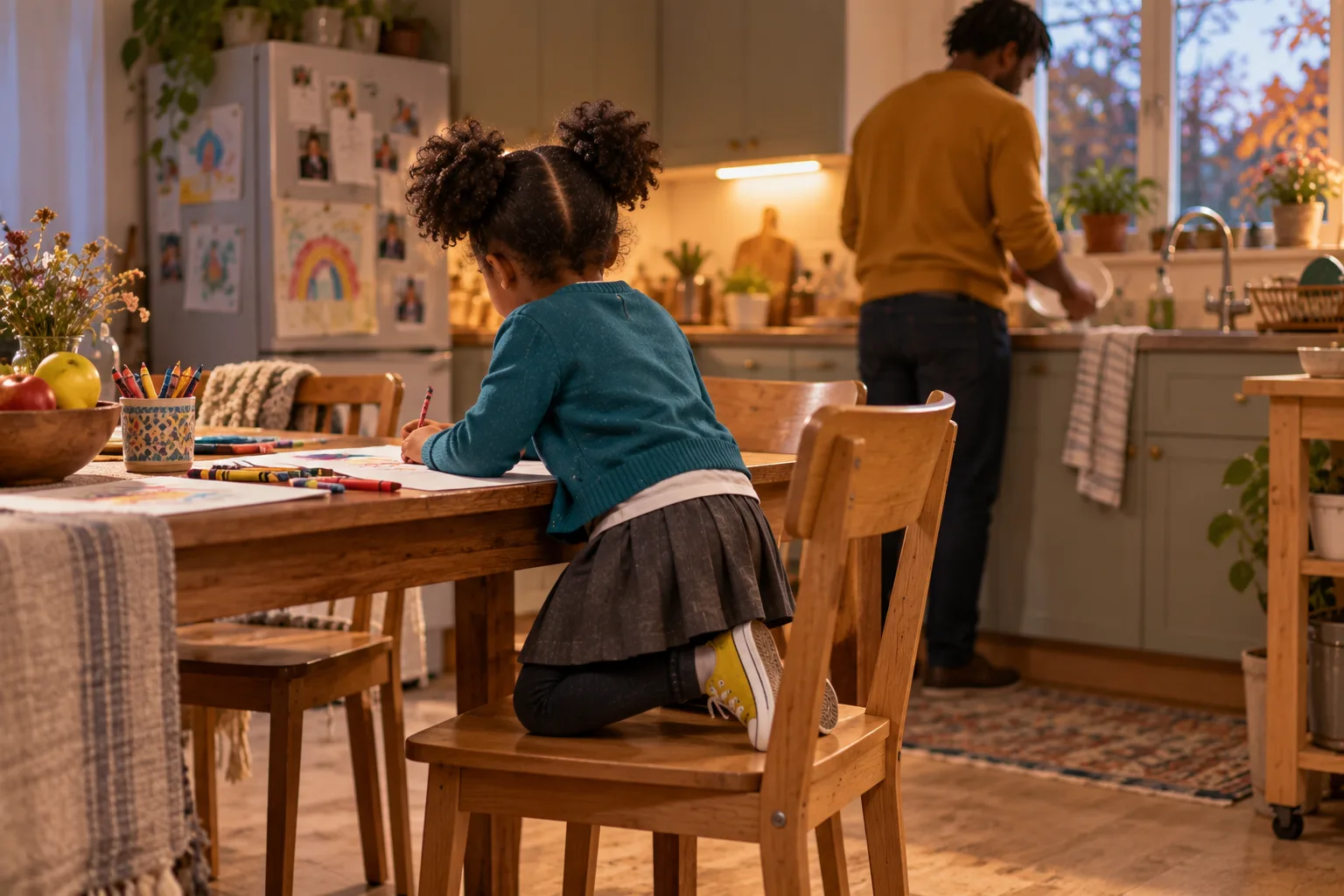
Why reminders do not seem to stick
Sitting still is not really "doing nothing." Try sitting through a long film in a hard seat. Without thinking about it, you cross your legs, lean to one side, shift your weight and stretch your back. We all make dozens of tiny changes to stay comfortable and alert. Staying upright is active work for the muscles of the tummy, back and neck. For some children that work is tiring, so they do bigger versions of what we all do: they lean, kneel, sit on one foot or hook their legs around the chair.
Rocking gives the body a clear signal. Tipping on a chair is not just for fun. That little wobble tells the body exactly where it is, and it helps a sleepy brain feel more awake. It is a bit like how you might tap your foot or bounce your knee to stay alert in a long talk. A child who rocks may actually be listening better while they do it, which is why stopping them can make things worse.
Getting up is a reset. A trip to the pencil sharpener or a wander to the window gives the body a moment of movement, and the brain a break. Many children are not trying to avoid work. They have run out of "sit" and are finding a way to top it up.
Being told off uses up attention, too. When a child is working hard to keep still, there is not much room left for the lesson. And if they hear "sit down" all day, they may begin to think of themselves as the one who always gets it wrong. That worry can make it harder still to settle.
What to look for
A little gentle detective work helps you and the teacher work out what is going on:
- Do their feet touch the floor? Dangling feet make sitting up much harder.
- When is it worst? Late morning, after lunch, or during long stretches of listening?
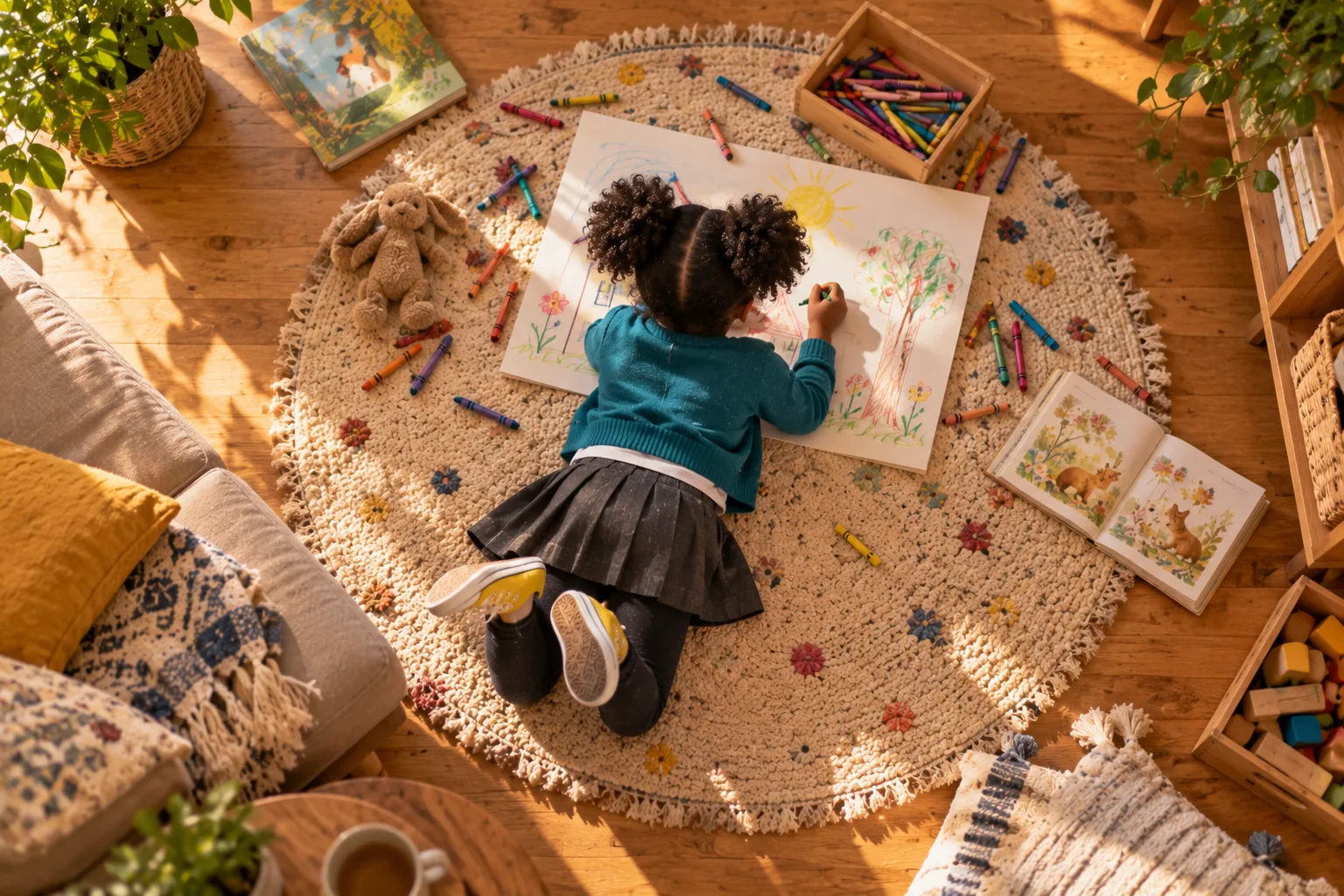
- How do they sit at home? Do they choose to kneel, stand or lie down to draw?
- Does movement help? Are they calmer and able to focus after break time or PE?
- Do they tire easily? Do they slump on the table, or lean their head on one hand?
How to talk to the teacher
Most teachers are glad to try small changes, especially when you come as a partner. You could say: "We've noticed the same thing at home. I don't think it's defiance. I think their body needs to move to stay focused. Could we try a couple of small things and see if they help?"
Here are some ideas that are easy to try in a classroom:
- Useful jobs. Handing out paper, collecting books or taking a note to the office gives a child a good reason to get up.
- A different way to sit. Allow kneeling on the chair, standing at the table, or working on the floor on their tummy, as long as the work gets done.
- A better fit. A chair and table the right height, with a box or a thick book under dangling feet.
- Something to wriggle on. A wobble cushion or a stretchy band around the chair legs gives a quiet outlet for rocking, and keeps all four legs on the floor.
- Built-in breaks. A quick stretch for the whole class, or a chance to stand up between activities.
- A private signal. A quiet tap on the desk instead of calling out across the room, so they do not feel shown up in front of everyone.

What helps at home
The long-term answer is a stronger, steadier body, and that comes from play:
- Climbing frames, monkey bars and low walls to balance on.
- Scooters, bikes and swimming.
- Tug of war, wheelbarrow races and carrying something heavy from the car.
- A good run or a trip to the park before school, if you can manage it.
At home, try not to add another round of "sit properly" at the dinner table. Praise what goes right, and let your child tell you what helped: "What made today easier?" Children who feel understood are much more willing to try.
When to look for more support
It is worth talking with your child's doctor or another professional who can see your child in person if:
- your child falls off chairs or trips a lot, more than you would expect
- they seem very tired, or often complain of pain in their back or legs
- they find writing, drawing or getting dressed very hard work
- they have trouble hearing or seeing the board, which can look just like not paying attention
- the difficulty is causing real upset, or your child has started to dislike school or call themselves "bad"

A child who rocks on their chair is often working harder than anyone can see. With a few small changes in the classroom, plenty of movement outside it and a little less telling off, many children find that sitting down, and staying there, slowly gets easier.